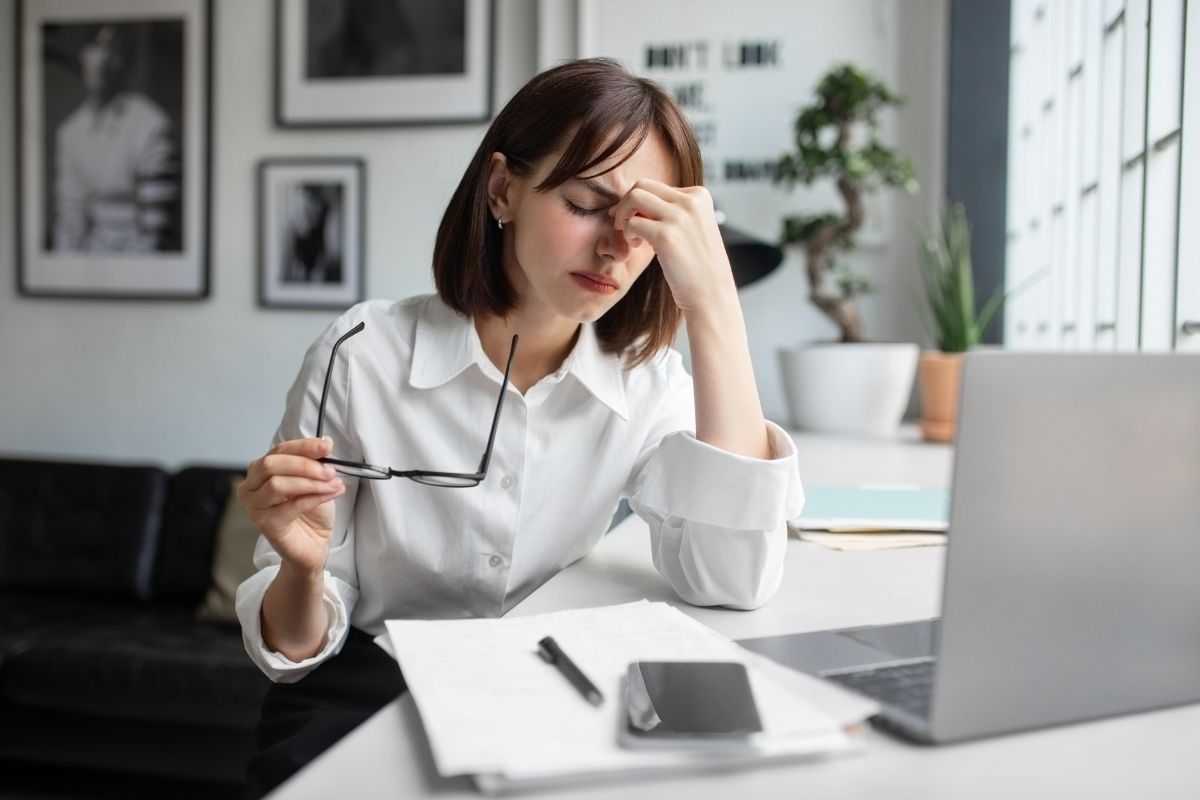


The importance of sleep for eye health
Sleeping well is not only a matter of energy or mental well-being: it also has a direct impact on the eye health. Sleep is the time when the body regenerates, and our eyes are no exception. Spending sleepless nights, sleeping too little or having poor quality sleep can impair the proper functioning of vision, causing disturbances even in the long term.
The role of sleep in visual well-being
Sleep plays a key role not only in the general recovery of the body, but also in the regeneration and protection of vision. While we sleep, our eyes face a renewal process that helps them remain healthy and efficient.
During sleep, the eyes regenerate
During the hours of rest, the eyes perform a number of key regenerative functions. They naturally rehydrate, the residues accumulated during the day and the epithelial cells of the cornea renew themselves. In addition, the intraocular pressure tends to stabilize, reducing the risk of eye stress-related diseases. Simply put, it is while we sleep that our eyes “repair” and prepare to face a new day.
REM sleep and eye movement
During the REM (Rapid Eye Movement) phase, the eyes are move quickly Under closed eyelids. This phase, which repeats cyclically throughout the night, is associated not only with dreaming but also with muscle relaxation and rebalancing of the nervous system. Some studies suggest that eye movement during the REM phase may play a role in the visual training and in maintaining a good connection between eyes and brain.
The effects of sleep deprivation on eye health
Little or poor sleep is not only reflected in mood and energy: the eyes are also deeply affected. In fact, lack of sleep can cause immediate discomfort and compromise visual well-being over time.
Dry eye and irritation
One of the first consequences of lack of sleep is dry eyes. When people do not get enough sleep, tear film production is reduced, causing a feeling of sand in the eyes, itching, burning and redness. The eyes become more vulnerable to dust, bright light and irritants.
Blurred vision and difficulty in focusing
Poor sleep impairs the ability to concentrate and, consequently, also the quality of vision. The view may appear blurred or unclear, especially in the morning hours or after a prolonged period of visual activity. Difficulty in focusing can cause headaches and further worsen eye fatigue.
Occurrence of ocular myoclonias and eyelid spasms
Chronic sleep deprivation can lead to phenomena such as the flickering of the eye or small involuntary spasms of the eyelid. Although often harmless, these episodes are signs that the body (and particularly the eyes) is demanding rest.
Insufficient sleep and risk of eye diseases
When sleep is poor or of low quality, the risks of developing more serious visual disorders. Some eye diseases may be fostered precisely by chronic nighttime sleep deprivation.
Increased risk of glaucoma
Several studies have shown a correlation between poor sleep quality and increased intraocular pressure, an important risk factor for the development of glaucoma. Little or poor sleep, especially when associated with stress, can alter ocular fluid circulation, contributing to the onset of this condition.
Possible consequences on the retina
The retina is one of the most sensitive areas of the eye, and its health is strongly influenced by the quality of sleep. Some studies suggest that the chronic sleep deprivation may increase the risk of developing retinal degeneration, especially in predisposed or already visually impaired individuals.
Connection with chronic dry eye syndrome
The link between sleep and dry eye syndrome is now recognized. Those who get little sleep tend to have a less stable tear film, and this can lead over time to a chronic condition requiring specific treatments. Good rest, on the other hand, helps keep the eye well hydrated and protected.
How to improve sleep to protect eyesight
Taking care of eye health also comes through good sleep quality. Adopt healthy evening habits and improve the sleeping environment can make a big difference on daily visual well-being.
Create a regular nighttime routine
Always going to bed and waking up at the same times helps the body (and also the eyes) to follow a natural rhythm. A good sleep hygiene helps improve muscle relaxation, circulation and visual recovery.
Limit the use of electronic devices before bedtime
Tablets, smartphones and computers emit blue light, which inhibits melatonin production and makes it harder to fall asleep. Reducing exposure to these screens at least an hour before bedtime improves sleep quality and helps to protect the eyes from digital visual fatigue.
Pay attention to the bedroom environment
The temperature, l’lighting and thehumidity of the sleeping environment affects the quality of rest. Sleeping in a dark, quiet, well-ventilated room promotes deeper, more restorative sleep. Using humidifiers can also help prevent dry eyes at night, especially in winter.
Caring for ocular health even during the daytime
Use lenses with specific treatments for blue light, take frequent breaks while working at the computer, and use artificial tears if necessary are all habits that help to preserve eye health even before going to sleep. The more relaxed the eyes are during the day, the easier it will be to have a restful and restorative sleep.
Rested eyes, sharper vision
The connection between sleep and eye health Is deeper than you think. Sleeping well helps not only to feel better, but also to see better. Getting a good night’s rest is a valuable ally in reducing eye fatigue, preventing eye disorders and improving vision quality over time. Taking care of your eyes also means taking care of your sleep: a good night’s sleep is the first step toward healthier, clearer and more comfortable vision every day.