

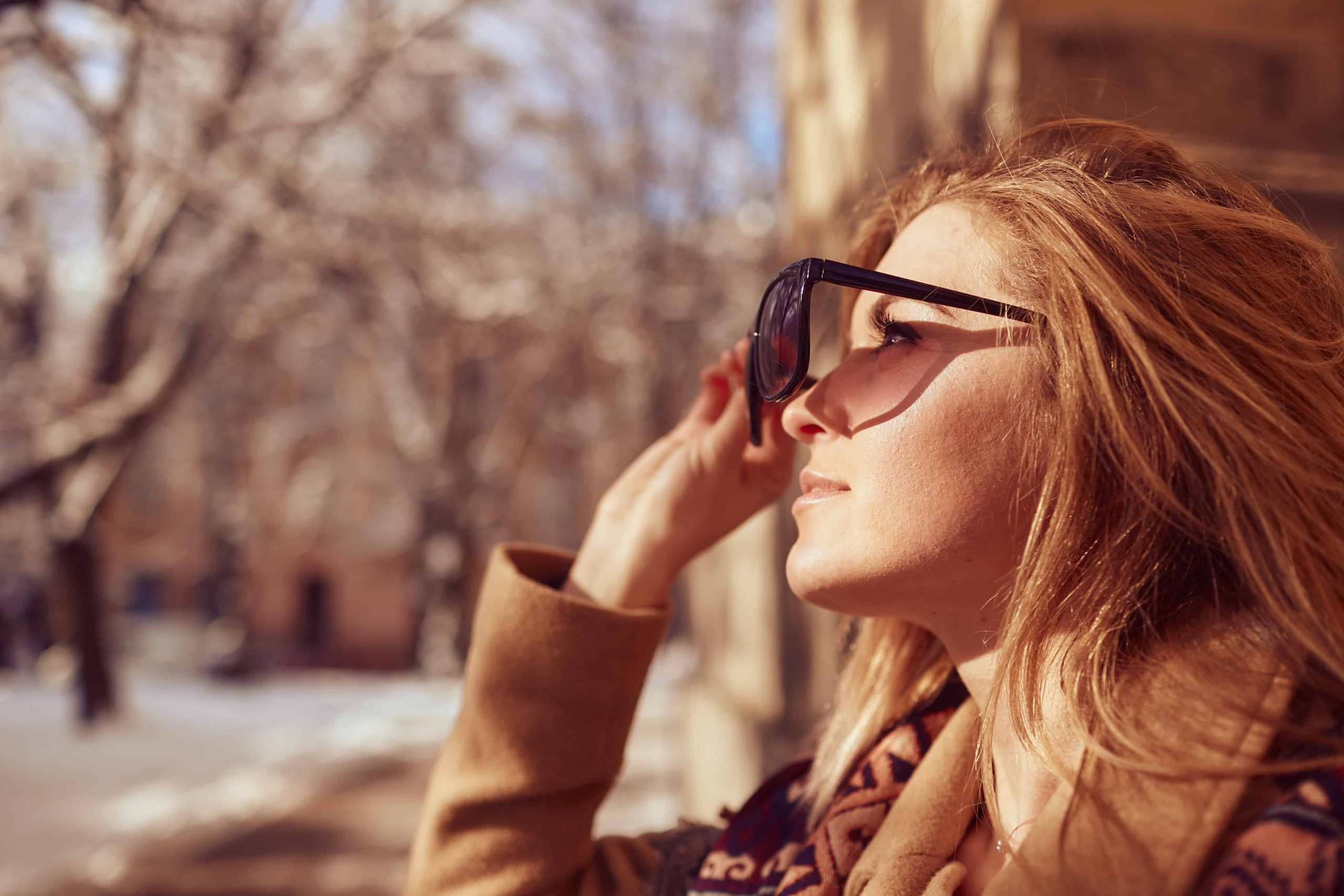
Light-sensitive eyes: causes and possible remedies
Some people’s eyes are particularly sensitive to light. This discomfort, when it is particularly accentuated, can lead to photophobia, a clinical manifestation that can affect the quality of life of many people. This condition is detected when the eyes overreact to light, causing discomfort and discomfort.
Light-sensitive eyes: the main causes
Photophobia can result from several causes, and effective management requires accurate diagnosis. Consulting an eye health professional is the first step in identifying the causes of the problem and developing a personalized treatment plan to alleviate the symptoms of light-sensitive eyes.
Below are the main causes that can lead the eyes to be very sensitive to light.
Eye health problems
One of the main reasons behind light-sensitive eyes could be an eye health problem. Conditions such as keratitis, conjunctivitis, or dry eye syndrome can make the eyes more sensitive to light.
More serious conditions such as cataracts or macular degeneration can affect the eye’s ability to adapt to light.
Nerve malfunctions
The nervous system plays a crucial role in regulating light sensitivity. Disorders such as migraines or other neurological conditions can affect the way the brain interprets and handles light signals, causing a increased sensitivity to light.
Use of electronic devices
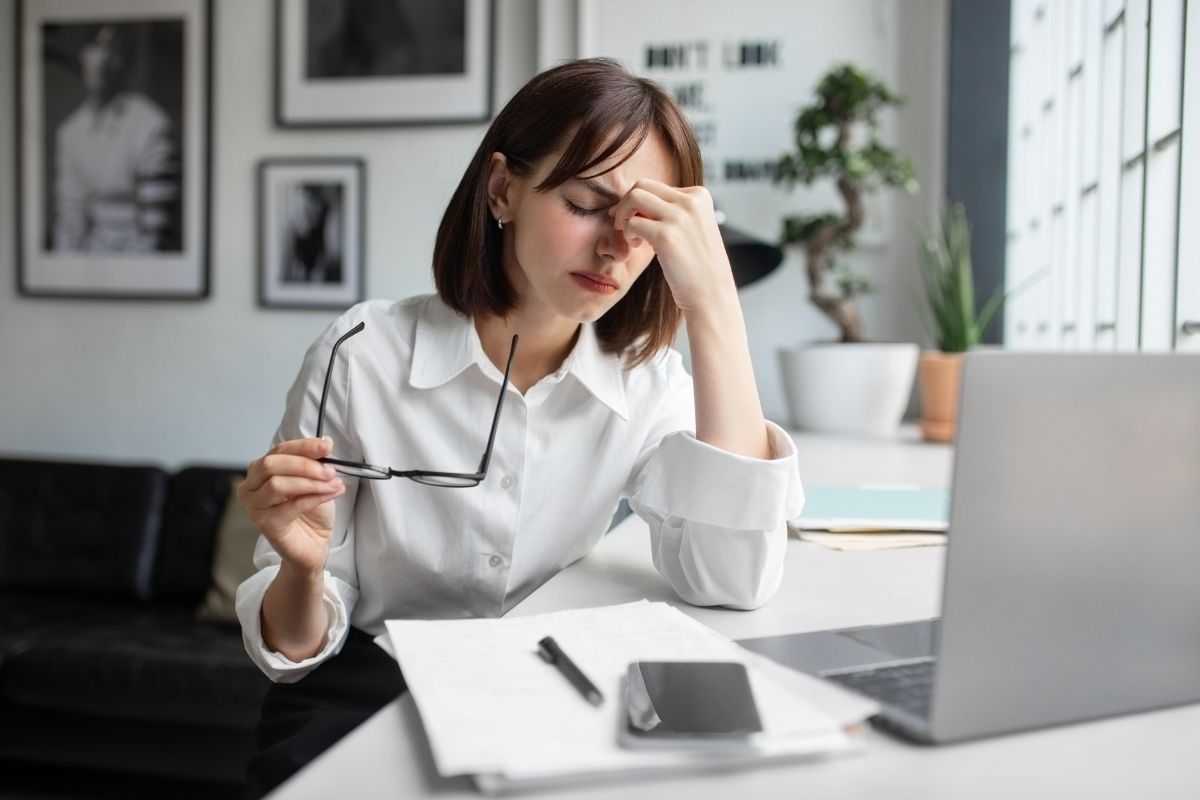
Prolonged exposure to computer, tablet or smartphone screens can contribute to the sensitivity to light.
The blue light emitted by these electronic devices can strain your eyes and make it more difficult to adjust the ambient brightness.
Drug reactions
Some medications can increase sensitivity to light as a side effect. Aantidepressants, antibiotics and nonsteroidal anti-inflammatory drugs are just a few examples of medicines that could affect the reaction to light stimuli.
Light-sensitive eyes: possible remedies
Light-sensitive eyes overreact to ambient light. This sensitivity can manifest itself in various forms, from mild eye irritation to more severe symptoms such as headaches and visual fatigue.
Here are some possible remedies.
Adequate sun protection
Wearing sunglasses with UV protection is essential to reduce direct exposure to sunlight.
Sunglasses should have dark lenses and an anti-reflective coating to maximize protection.
Humidifiers for dry eye syndrome
If your sensitivity to light is caused by dry eye syndrome, using humidifiers can help maintain an adequate level of humidity in your environment. This can reduce eye irritation.
Limit the use of electronic devices
Reducing the time spent in front of bright screens can help reduce sensitivity to light caused by electronic exposure. Regular breaks and the use of screen filters can be very helpful.
Consult an eye health professional
If light sensitivity persists or becomes more severe, it is essential to consult an ophthalmologist. A complete eye exam can identify any underlying eye health problems and guide you to appropriate treatment.
Adaptations of drug treatment
If your photophobia is related to taking medication, your doctor may consider changing your medication or adjust the dosage to reduce side effects.
What glasses are suitable for light-sensitive eyes?
If your eyes are sensitive to light, using suitable glasses can be an effective way to reduce exposure to bright light and alleviate symptoms associated with photophobia.
Below are some tips on which glasses might be suitable.
Sunglasses with UV Protection
Choose sunglasses with lenses that offer good protection against ultraviolet (UV) rays. These glasses will help reduce irritation and sensitivity caused by sunlight.
Opt for dark, high-quality lenses that block at least 99% of UVB and 95% of UVA.
Polarized lenses
Polarized lenses reduce reflections and glare, providing additional visual comfort. They are especially useful in environments with reflective surfaces such as water or snow.
Photochromic lenses
Photochromic lenses automatically adjust to ambient light, darkening in bright light and lightening in lower light. This type of lens can be ideal for those who frequently switch between indoor and outdoor environments.
Glasses with anti-reflective coating
An anti-reflective coating on the surface of the lenses can reduce unwanted reflections and improve light transmission, thereby reducing eye strain.
Reading glasses with blue filter
If prolonged use of electronic devices contributes to photophobia, consider wearing reading glasses with a blue filter. These glasses reduce exposure to blue light emitted by computer screens, tablets and smartphones.
Tinted safety glasses
For those who work in environments where the use of safety glasses is required, it is possible to opt for tinted lenses that offer UV protection and reduce excessive brightness.
The choice of glasses depends on your personal needs and the specific cause of your sensitivity to light. Always consult an optician or eye care specialist for a professional evaluation and to get glasses customized to your needs.
A professional will be able to advise you on the best options based on your situation and the specific condition of your eyes.