


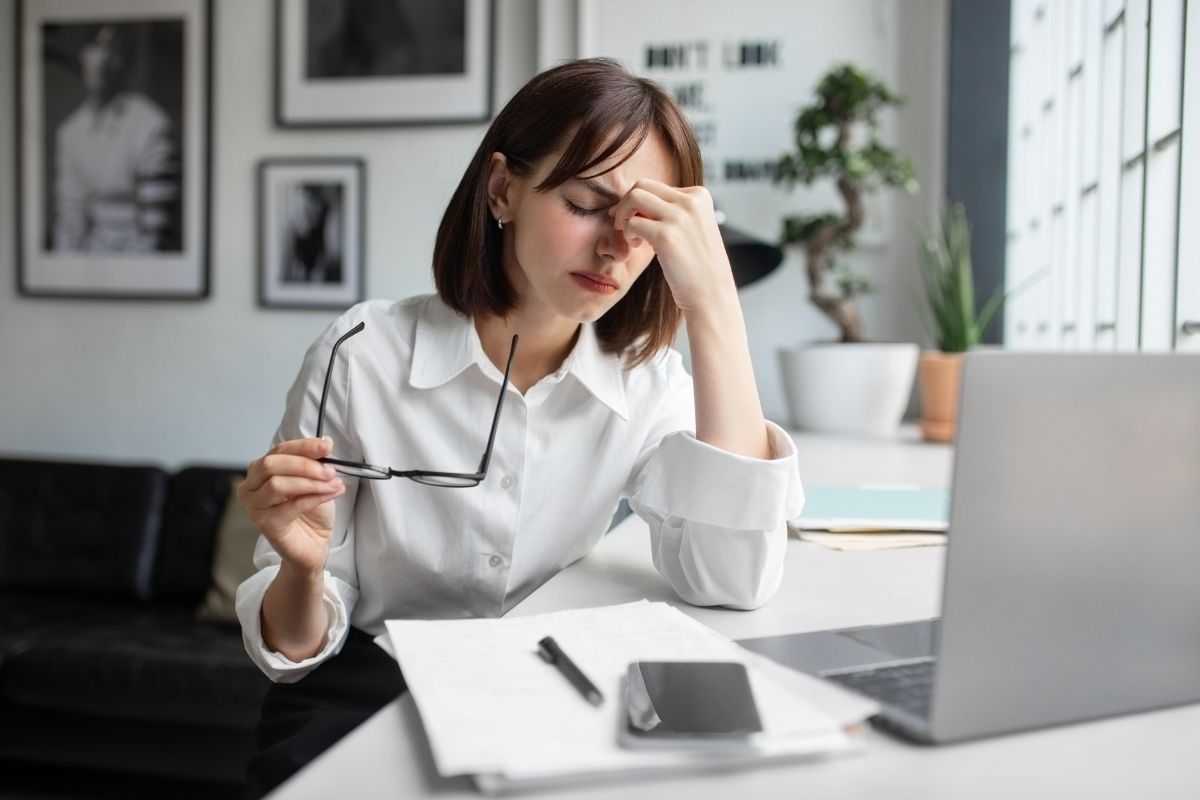
Eye strain: causes, symptoms and remedies
Eye strain It is an increasingly widespread condition, often underestimated because it is considered an inevitable consequence of daily activities. In reality, it is a precise signal: the visual system is working in suboptimal conditions. Hours spent in front of digital screens, inadequate lighting, poor posture and outdated vision correction are just some of the factors that contribute to putting Under stress the eyes. The result is a feeling of fatigue that can appear after just a few hours and intensify during the day. Understanding the causes and mechanisms behind eye strain is the first step to intervening effectively, improving not only visual comfort, but also the quality of daily activities that require attention and concentration.
The main causes of eye strain
Eye strain is often the result of a combination of factors, rather than a single cause. One of the main elements is prolonged use of digital devices, which requires continuous focus at close range and reduces the frequency of blinking, promoting dry eyes. Added to this are environmental conditions such as Too bright or, on the contrary, insufficient lights, which force the eye to compensate to maintain sharpness. Posture also plays an important role: working with the screen too close or too far, or in a non-ergonomic position, increases visual effort. Another factor that is often overlooked is the presence of a Inadequate visual correction, which forces the eye to work harder to focus. All these elements, added together, contribute to creating a situation of continuous visual stress that leads to the onset of symptoms.
The role of screens in everyday life
The use of computers, smartphones and tablets is now an integral part of the daily routine, both for work and leisure. This has led to a significant increase in cases of eye strain, often linked to a Prolonged use and not always aware of digital devices. The screens require constant focus at close range and have features, such as Brightness and contrast, which can strain the visual system if not handled properly. In addition, during the use of the devices there is a tendency to blink less, reducing the natural lubrication of the eye. This contributes to the feeling of dryness and burning. Prolonged exposure Without proper breaks it further amplifies these effects, making eye strain an increasingly common problem in modern life.
Symptoms not to be underestimated
Symptoms Eye strain can vary from person to person, but they tend to manifest themselves with fairly recognizable signs. Among the most common are a burning sensation, red eyes, blurred vision, and difficulty maintaining focus on prolonged activities. Often there is also a feeling of heaviness in the eyes, accompanied by headaches or tension in the frontal area. In some cases, increased sensitivity to light or the need to squint to see better may appear. These symptoms tend to increase over the course of the day and improve with rest, but if they occur frequently it is important to intervene. Ignoring these signs means continuing to subject the visual system to avoidable stress, with a negative impact on the quality of daily life.
How to reduce eye strain in practice
Reducing eye strain requires a hands-on approach, based on small daily steps that can make a big difference over time. It is essential Organize your workplace properly, keeping the screen at an appropriate distance and slightly below eye level. The lighting must also be balanced, avoiding excessive contrasts between the screen and the surrounding environment. Taking regular breaks is another key element: looking away every 20 minutes and focusing on a distant point helps to relax the visual system. It is also useful to remember to blink more frequently, especially when using digital devices. These simple habits, if applied consistently, help reduce visual stress and improve comfort during daily activities.
The contribution of lenses to visual comfort
Ophthalmic lenses can play an important role in managing eye strain, especially when they are designed with the user’s visual habits in mind. Proper correction reduces the strain on the visual system, improving image stability and ease of focusing. In addition, specific treatments such as The anti-glare They help reduce light interference, improving the quality of vision. In some cases, solutions designed for prolonged use of digital devices can be useful, helping to better manage near and intermediate vision. The goal is not only to see better, but to see with less effort, making vision more natural and comfortable over time.
The importance of personalization
Not all solutions are the same for everyone: eye strain varies according to individual habits, environment and needs. For this reason, it is important to evaluate Customized solutions, which take into account the way you use your vision throughout the day. A custom-designed lens can make all the difference in reducing eye strain, improving the overall experience. Even small adaptations, such as the choice of Treatments or lens geometry, can significantly affect comfort. This approach allows you to obtain a more balanced and less fatiguing vision, especially in the presence of prolonged activities.
Improve the quality of vision every day
Eye strain is not an inevitable problem, but a condition that can be managed and reduced with the right attention. Intervene on the daily habits, the work environment and the quality of the lenses used allows you to significantly improve visual comfort. A more relaxed view translates into greater concentration, reduced fatigue and better general well-being. Paying attention to your body’s signals is the first step in taking care of your eyesight in a conscious way. Even small changes can have a concrete impact in the long run, turning the quality of vision into a central element of quality of life.