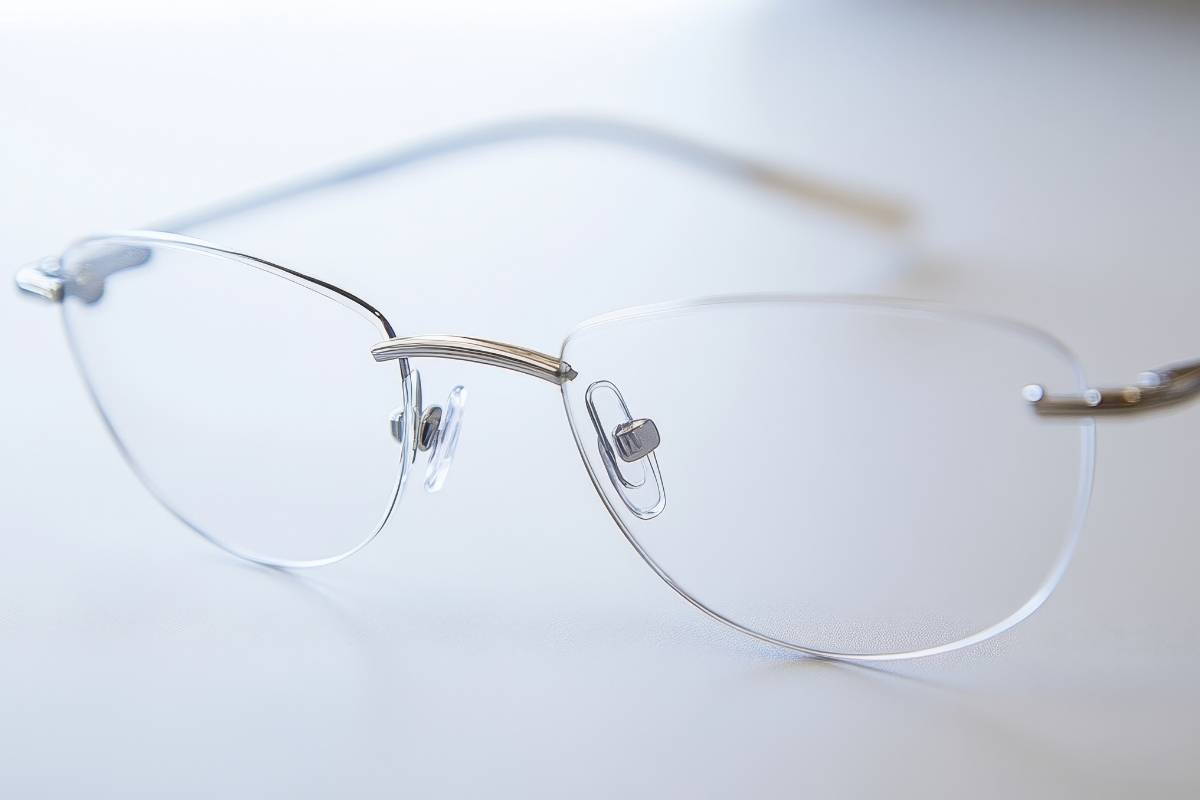


Sustainable eyewear, what is it?
Today, most glasses, both prescription and sunglasses, are made of plastic, cheap metals and other non-degradable materials. They end up in landfills as unsorted waste and consequently cause damage to our planet. Sustainable eyewear and green brands are becoming increasingly popular as more and more people try to make choices that respect the environment.
Sustainable eyewear is made from recyclable and biodegradable materials, and is produced ethically and responsibly. Green brands in the eyewear sector are committed to reducing the environmental impact of their business, using sustainable materials and low-impact production practices.
In this article, we will explore the characteristics of sustainable eyewear and which are the best green brands involved in their production.
What are the characteristics of sustainable eyewear?
Many eyewear manufacturers are moving towards the creation of sustainable eyewear.
These are glasses:
- hypoallergenic, made from natural and sustainable materials. They are more skin-friendly and hypoallergenic than glasses made of plastic or cheap metals;
- environmentally friendly. Eco-friendly glasses do not require extensive processing and, once disposed of, are easily degradable;
- eco-friendly, capable of accompanying us for a long time, minimizing their impact.
What materials are used to make sustainable eyewear?
The common materials used to make sustainable eyewear should be divided into those used for:
- the creation of lenses;
- the frames.
The lenses can be made of the following materials:
- mineral glass, a material that is certainly more ecological but also more fragile and delicate, which tends to splinter, undermining durability. It resists scratches well but is heavy and very expensive. As a result, it resists impacts less. In terms of sustainability, glass is recyclable.
- Plastic materials. The most popular are polycarbonate and nylon. Polycarbonate lenses are the most resistant to impacts and scratches. The optical quality is good, but this type of lens is not compatible with acetate frames because the phthalates contained in it interact with the polycarbonate, marking the lens. Nylon is a fiber that can be regenerated. Nylon lenses have better optical quality than polycarbonate, are more expensive, more flexible, and can be mounted on acetate.
- CR 39, a plastic material closer to glass in terms of optical quality, but fragile and less resistant to scratches.
There are more and more companies that are committed to making lenses more sustainable as well, through the use of innovative materials from plant sources.
The main materials used to make the frames are the following:
- Mostly steel and aluminum, usually derived from recycled sources. Titanium deserves a separate mention, particularly resistant and easily recyclable.
- Acetate, a particular type of plastic that is of natural origin, based on cellulose. Although it comes from natural sources, acetate is not biodegradable.
- These are plastics such as nylon or in the case of low-quality glasses, polycarbonate. Many of the glasses that are sold at low cost are injected into polycarbonate.
Which brands offer sustainable eyewear?
There are several brands that offer sustainable and ecological eyewear for both sunglasses and prescription glasses. Let’s find out together which are the most active companies in this sector.
TBD Eyewear
Made In Italy brand that offers a line of sustainable sunglasses and eyeglasses in bio-acetate, 100% biodegradable and totally recyclable. Produced in Italy with respect for the environment.
Okulars
Italian company that offers 2 lines of sustainable and ecological eyewear, handmade. The wooden line (bamboo, rosewood, zebrawood and walnut) is made with raw materials chosen in respect of the environment and cork case.
The Eco line with a frame made with 100% recycled plastic from bottles. For each purchase, the company plants a tree in its forest in collaboration with Tree-Nation.
Meller
Spanish brand that offers various lines of sustainable eyewear, both prescription and sunglasses. It has a line of Bio-Based glasses made with 45% natural materials, which reduce the use of fossil materials and lower CO2 emissions. They also have a line made of sustainable metals and another made through the recycling of bottles and PETG.
Sea2See
The brand based in Catalonia, is carbon negative, designs and produces eyewear in Italy and Switzerland with recycled plastic collected in Spain, France and Africa. Each pair of glasses represents 1kg of marine plastic collected and recycled. Their approach is unique, called “Seastainable” and based on “positive waves”.
Entirely made of plastic material recovered from the sea, they have the ambitious goal of helping to clean up the seas from waste.
Zeal Optics
A company based in Colorado, Ellume makes frames and polarized lenses in Z-Resin, a material of plant origin derived from the castor plant. Castor beans are processed into the patented Z-Resin material, which replaces the petroleum-based plastic in the sunglasses made. This significantly reduces the amount of CO2 associated with the production of eco-friendly glasses. In addition, Zeal Optics donates 1% of its turnover to non-profit organizations committed to protecting nature.
Karun World
A Chilean brand that produces sunglasses by recovering plastic nets from the sea and wood from old buildings, so as not to impact Chilean forests at all.
Parafina
The Parafina company produces eyewear only with recycled or natural materials: cork, cultivated bamboo, recycled aluminum from cans, eco silicone obtained from PET plastic bottles and rubber obtained from old tires.
Orlando Rey
The strength of this brand is the fact that they ship directly to the end consumer without going through intermediate agents (shops, representatives, trade network, etc.), eliminating costs for both the consumer and the environment, thanks to the reduction of CO2 emissions into the atmosphere. The factory, owned, in which the glasses are produced is SA8000 certified, so the criteria of work ethics are respected. The glasses have exceptional quality at a very low price.