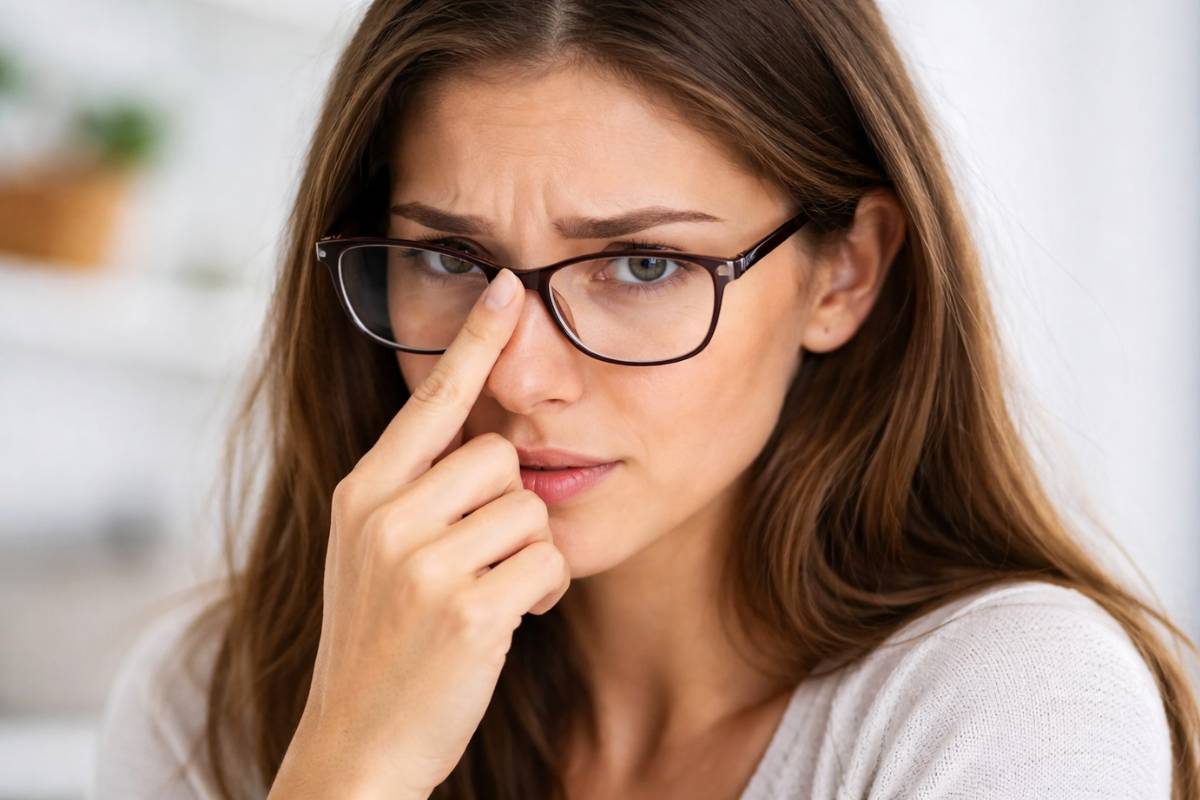



Eye health, summer foods to avoid at all costs
Eye health is a fundamental aspect for the overall well-being of our body. In addition to habitual practices such as wearing sunglasses and protecting against the elements, proper nutrition plays a crucial role in keeping your eyes healthy. Let’s find out together how to preserve eye health by avoiding a certain type of food in summer.
What are the foods that should be avoided or consumed in moderation?
To preserve optimal vision and take care of eye health, it is essential to avoid or consume certain foods in moderation. Let’s see what they are.
Refined sugars and simple carbohydrates
A diet high in refined sugars and simple carbohydrates can cause altered blood sugar levels and promote the development of eye problems such as age-related macular degeneration.
Eliminating foods such as sweets, sugary drinks, refined grains, and white bread from your diet can help keep blood sugar levels stable and protect eye health.
Saturated fats and fried foods
Excessive consumption of saturated fats, found in foods such as red meat, full-fat dairy products, butter, and fried foods, can increase the risk of developing age-related eye diseases, such as cataracts.
It is advisable to limit the consumption of these foods and opt for healthier alternatives such as lean meats, low-fat dairy products and lighter cooking methods such as steaming or grilling.
Excess salt
High sodium intake can negatively affect eye health. The accumulation of salt in the body can cause water retention, increasing blood pressure and the risk of developing glaucoma.
Reducing your intake of added salt and limiting your consumption of high-sodium foods such as salty snacks, canned foods, and prepackaged foods can help keep your eye pressure under control.
Alcohol and caffeine
Excessive consumption of alcohol and caffeine can have negative effects on eye health. Alcohol can affect the proper intake of essential nutrients for the eyes, such as vitamin A.
While high caffeine intake can result in dry eyes. It is advisable to moderate alcohol and caffeine consumption, preferring alcohol-free or low-caffeine drinks such as water, green tea or herbal teas.
Foods high in cholesterol
A diet high in high-cholesterol foods, such as fatty meats, full-fat dairy products, and foods high in saturated fats, can increase your risk of developing eye diseases such as macular degeneration .
The importance of eye health
Eye health is of paramount importance for general well-being and for maintaining a good quality of life.
It is important to maintain good eye health at all times for the following reasons:
- Good eye health ensures clear and sharp vision, allowing you to perform daily tasks effectively. Healthy vision allows you to read, drive, work on the computer and fully enjoy recreational activities such as sports and visual art.
- Maintaining eye health can help prevent or reduce the risk of developing common eye diseases such as cataracts, glaucoma, age-related macular degeneration, and diabetic retinopathy. These conditions, if not treated promptly, can lead to permanent vision loss.
- Eye health is linked to overall well-being. Untreated or neglected eye diseases can cause physical discomfort, pain, and visual disturbances that can affect quality of life. Some eye diseases can be indicative of broader health problems, such as diabetes and cardiovascular disease.
- Maintaining eye health and taking appropriate precautions can help prevent eye injury. Using protective equipment, such as UV-filtering sunglasses and maintaining proper eye hygiene can reduce the risk of common injuries and infections.
- Regular eye exams can detect early signs of certain systemic diseases, such as diabetes, high blood pressure, and autoimmune diseases. The signs and symptoms of these diseases can be detected through eye exams, allowing for early diagnosis and timely intervention.
- Good eyesight contributes to the preservation of independence in daily activities, especially in old age. Healthy vision allows you to perform tasks such as driving, reading, and self-care.
Useful tips to protect eye health
Protecting your eye health is crucial for ensuring good vision and preventing potential eye problems.
Here are some helpful tips on how to protect your eyes:
- schedule regular visits to your trusted eye or optometrist. Regular eye examinations allow you to identify any vision problems or eye conditions at an early stage and take immediate action.
- Wear protective sunglasses. When outdoors, always wear sunglasses with proper UV protection. Harmful sun rays can damage your eyes over time, so it’s important to choose sunglasses that offer complete protection from UVA and UVB rays.
- Use protective goggles. If you engage in activities that could put your eyes at risk, wear specific protective eyewear. These glasses are designed to offer a safety barrier against flying particles, chemicals, and other potential hazards.
- Keep a proper distance from digital devices. When using digital devices for extended periods, try to keep an appropriate distance and take regular breaks. Prolonged use of these devices can cause eye strain and digital eye strain.
- Do eye exercises. Eye exercises can help keep your eye muscles strong and flexible. For example, make circular eye movements, looking up, down, and sideways. You can also focus your gaze on objects at different distances to train your focus.
- Eat a balanced diet and avoid smoking. A proper diet rich in antioxidants, essential vitamins and minerals is important for eye health. Be sure to consume foods such as fruits, leafy greens, omega-3-rich fish, and nuts. At the same time , avoid cigarette smoking, as smoking can increase the risk of developing eye disease.