


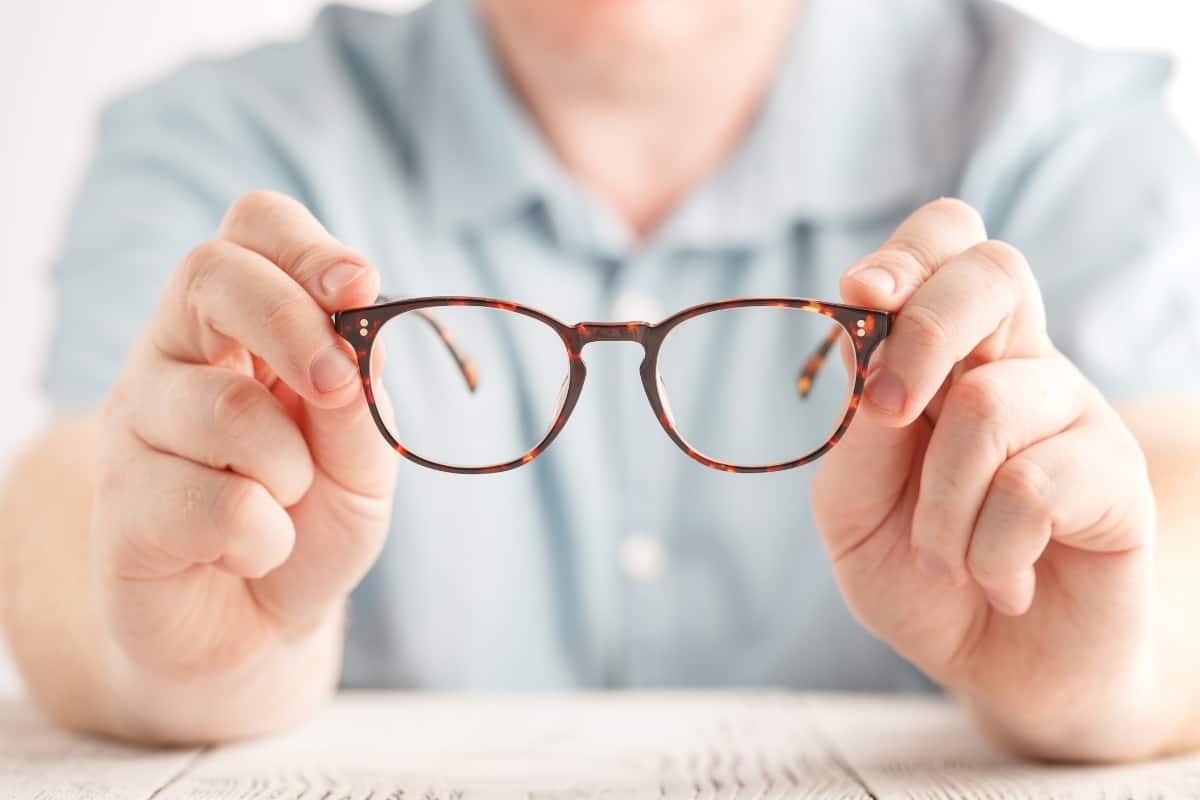
How to get used to new eyeglasses: tips and tricks
Wearing new prescription glasses can be an adaptation experience, especially if it is the first time you use glasses or if you switch to a different prescription.
Adapting can take some time and patience, but with a few helpful tips, you can make this transition smoother and more comfortable.
Useful tips for getting used to new prescription glasses
Getting used to new prescription glasses can take time and patience. Here are some tips to make the adaptation easier.
Wear them regularly
The secret to getting used to new glasses is to wear them regularly. While it may be tempting to take them off for some relief, it’s important to hold on and take them on as much as possible, especially in the first few weeks.
Start Gradually
Only if you are not used to using glasses, starting to wear them gradually can help your brain adapt.
Wear them for short periods at first, gradually increasing the duration of use.
Adjust the position
Make sure that the glasses are positioned correctly on the nose so that they do not slip or tighten too much. Proper adjustment can improve comfort and vision.
Avoid constant adjustment
Although it may be tempting to adjust your glasses frequently, it is important to avoid this behavior, as it can cause discomfort and negatively affect the adaptation process.
Maintain cleanliness
Make sure that the glasses are cleaned regularly, as the accumulation of dirt and fingerprints can affect the clarity of vision and comfort.
Use lenses correctly
If you are using progressive or bifocal lenses, it can take some time to get used to the transition between the different correction zones.
Practice eye movement to find the optimal viewing position.
Be patient
Adjusting to new glasses can take several weeks, so it’s important to be patient and not expect immediate results.
Over time, the brain will get used to the new visual correction.
Consult your ophthalmologist
If you continue to have adjustment problems or significant discomfort after several weeks, it is advisable to consult your ophthalmologist.
Corrections or adjustments to the glasses may be necessary to ensure optimal vision and maximum comfort.
Positive experiences
Focus on the positive experiences that glasses bring, such as sharper and more comfortable vision.
Maintaining a positive attitude can make the adjustment process easier.
Taking care of your eyes
In addition to getting used to your new glasses, it’s important to take care of your eye health as a whole.
Maintaining regular eye checks and following your ophthalmologist’s recommendations can help ensure optimal vision in the long term.
New eyeglasses, what features to take into account?
When choosing a new pair of prescription glasses, it’s important to consider a number of features to ensure that they meet your visual and style needs.
Let’s find out together the characteristics to take into consideration.
Vision correction
Make sure your glasses have the correct prescription to correct your vision. It is crucial to consult with an optician or ophthalmologist to obtain an accurate prescription.
Lens type (h5)
There are different types of lenses, including single vision lenses for near or distance vision correction, progressive lenses for multi-distance correction, and photochromic lenses that adapt to ambient light.
Choose the type of lens that best suits your needs.
Anti-reflective and anti-scratch treatments
Anti-reflective lens coatings can reduce glare caused by artificial light and improve night vision, while anti-scratch coatings can protect lenses from damage.
Lens Material (h5)
Eyeglass lenses can be made of a variety of materials, including glass, plastic, and polycarbonate.
Polycarbonate lenses are lightweight and impact-resistant, making them ideal for active people or those working in hazardous environments.
Frame
Choose a frame that suits your personal style and face shape.
Options include frames made of metal, acetate, titanium and other materials. Make sure the frame is comfortable and fits your face properly.
Style and design
Prescription glasses can be a fashionable accessory, so choose a design that reflects your personal style.
Also consider the color and shape of the frame to ensure that it fits your face and wardrobe.
Custom adjustments
Make sure the glasses can be adjusted to fit your face perfectly. A professional optician can adjust the frame to ensure a comfortable and stable fit.
UV protection
Choose lenses that offer protection from the sun’s harmful UV rays to protect your eyes from long-term damage.
Comfort and fit
Make sure your glasses are comfortable to wear. Check that they do not slip through the nose or cause uncomfortable pressure points behind the ears.
A proper fit is essential to ensure comfort throughout the day.
Budget
Set a budget before you start your search for your new glasses. There are glasses available in a wide range of prices, so be sure to find a pair that meets your needs without exceeding your budget.
After-sales service
Check to see if the retailer offers after-sales services such as free adjustments, lens and frame warranties.