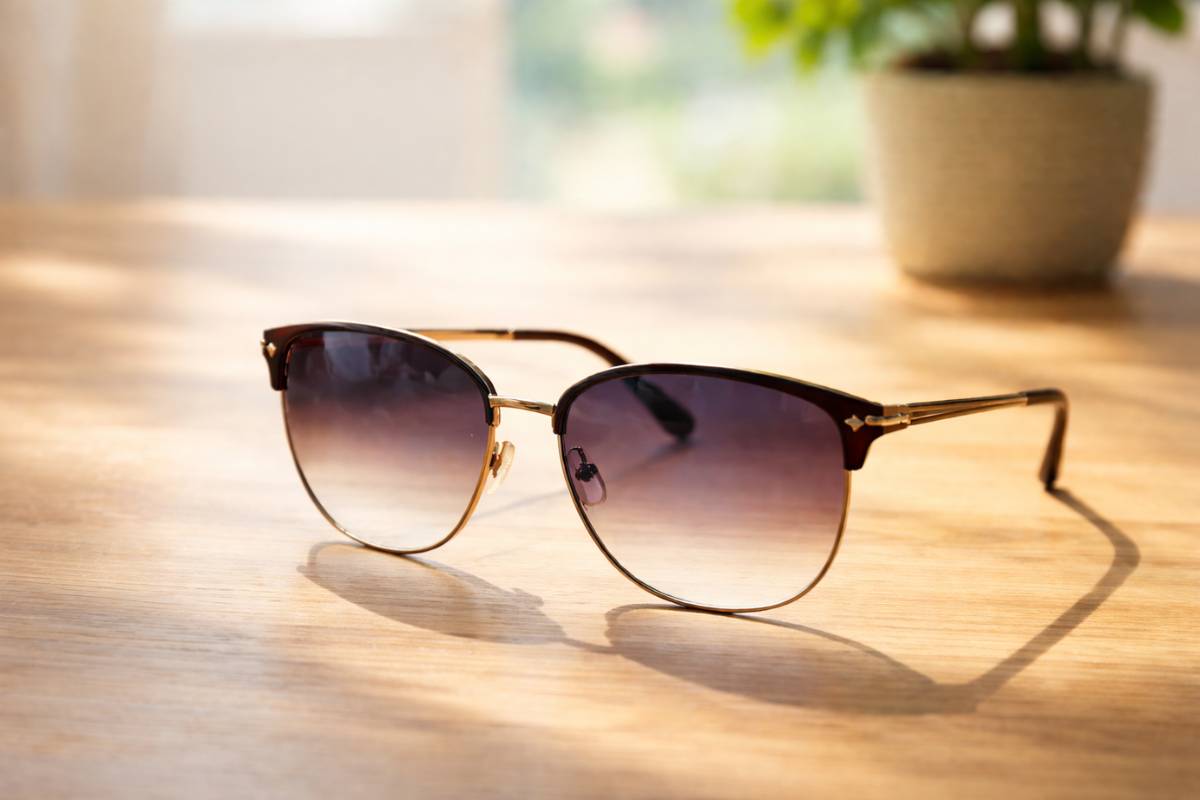



Polarized or normal lenses: what’s the difference?
When choosing a pair of sunglasses, one of the most common questions is about the difference between traditional lenses and polarized lenses. They may look similar at first glance, but in reality they offer very different visual experiences, especially in the presence of Bright light and reflective surfaces. The distinction is not just about the quality of the lens, but about how light is handled before it reaches the eye. Understanding this difference is essential to choose the solution that best suits your daily needs, whether it is driving, being outdoors or practicing sports. Polarized lenses, in fact, intervene on a specific problem that is often underestimated: reflections. And this is where the real difference from normal lenses comes from.
What really changes between polarized and normal lenses
Traditional sun lenses have the main task of reducing the amount of light that enters the eye, protecting against light and improving visual comfort on sunny days. However, they are not designed to selectively handle light reflections, which are a major cause of glare. Polarized lenses, on the other hand, are equipped with a Specific filter that blocks horizontally reflected light, the one that is generated when the sun hits surfaces such as water, asphalt or snow. This means that they not only reduce the brightness, but also improve the quality of vision, making it sharper and more contrasted. In practice, this results in a clearer perception of details and a significant reduction in visual effort. The difference is therefore not only technical, but also functional and easily perceptible in everyday situations.
The role of reflexes in everyday vision
Very often we tend to underestimate the impact of reflections on the quality of vision. When light reflects off flat surfaces, such as a wet road or the sea, it creates a Glare effect which can disturb visual perception and reduce the ability to distinguish details. Traditional lenses attenuate light, but do not eliminate this phenomenon, still leaving a disturbing component. Polarized lenses work on this aspect, filtering out reflected light and improving visual clarity. This is especially evident in situations such as driving or outdoor activities, where reflections can compromise safety and comfort. Eliminating this component means seeing in a more stable and natural way, reducing visual fatigue even after many hours of exposure to light.
When the difference is felt more
The difference between normal lenses and polarized lenses becomes particularly noticeable in some specific situations. When driving, for example, light reflected from the asphalt can reduce visibility and increase the risk of glare. With polarized lenses, the road appears and contrasts improve, making it easier to perceive details. Even in environments such as the sea or mountain , where the reflected light is very intense, the difference is immediate: the water appears more transparent and the contours sharper. These situations allow us to concretely understand the value of a lens that does not limit itself to darkening vision, but makes it more qualitative. It is precisely in these contexts that polarized lenses show their real advantage over traditional solutions.
Quality of vision and visual comfort
One of the most important aspects to consider is visual comfort over time. Regular lenses may be sufficient for occasional use, but in bright light and prolonged reflections they can cause more strain on the eye. Polarized lenses, on the other hand, help maintain a more relaxed and stable vision, reducing the strain on the visual system. This translates into less feeling of fatigue, especially during activities that require constant attention, such as driving or sports. A more comfortable vision also allows you to maintain greater concentration and reduce discomfort related to glare. In the long run, this has a significant impact on the quality of the viewing experience.
Polarized lenses: are they always the best choice?
There is no one-size-fits-all answer, because the choice between regular lenses and polarized lenses depends on how you use your glasses. Polarized lenses are particularly suitable for those who do outdoor sports, Frequently drive or practice activities in high-light environments. However, in urban contexts or for sporadic use, even a good quality traditional lens can be sufficient. It is therefore important to evaluate your habits and the conditions in which you use glasses. The difference is not so much between “better” or “worse”, but between solutions more or less suitable for specific needs. Understanding when polarized lenses can make a difference allows you to make a more informed and targeted choice.
How to make informed choices
Choosing between normal lenses and polarized lenses means carefully evaluating your lifestyle and situations in which sunglasses are used. It is helpful to consider factors such as time spent driving, exposure to bright light, and frequency of outdoor activities. Even the quality of the lens and surface treatments plays an important role in determining overall visual comfort. Professional advice can help identify the most suitable solution, avoiding choices based only on aesthetic criteria. Investing in a suitable lens means improving not only eye protection, but also the quality of vision in everyday life. Polarized lenses, in this sense, represent a technical solution that can make a real difference, especially when light becomes a critical element.