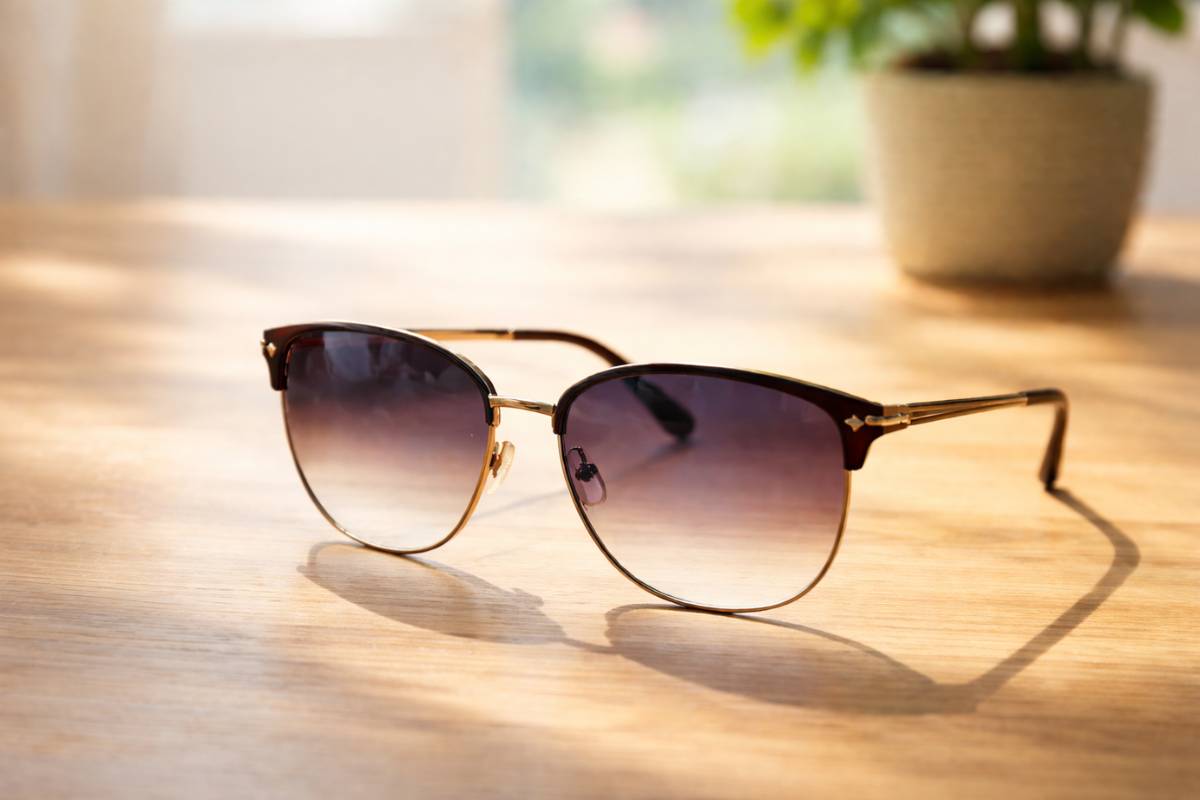


The secrets of prescription lens colors
Tinted prescription lenses are not just an aesthetic choice; thanks to their variety of shades, they can also offer functional benefits for visual well-being. Depending on the color chosen, tinted lenses can improve contrast, reduce eye fatigue, and protect against the harmful effects of certain types of light.
In this article we will explore the different advantages of tinted lenses for prescription eyeglasses and how to choose the right color according to your visual needs.
The colors of prescription lenses: visual advantages and disadvantages
Tinted lenses improve comfort and visual performance in specific situations:
- Reduced glare: ideal for those who play outdoor sports where there are reflective surfaces, such as skiing or water sports.
- Contrast enhancement: perfect for those doing activities at dusk or in flat light conditions, such as highway driving in the evening.
- Protection from bright artificial light: useful for those who spend a lot of time in environments with artificial lighting, such as offices and schools.
Each color therefore offers specific advantages and may have some limitations. For an informed choice, for example, when buying glasses with photochromic lenses, it is good to better understand the properties of each shade and the benefits for vision (discover the Roman Optica Autocolor Dark photochromic lenses).
Blue/purple lens
Blue or purple lenses are often chosen for outdoor activities where bright light could cause glare. For example, they are ideal for those who spend time at the beach or in environments with reflective surfaces, such as ski slopes or lakes.
- Benefits: improves contrast and reduces glare in bright light conditions, such as in the mountains or on very sunny days. One example: hikers in the mountains can opt for blue lenses to see details of the terrain without being dazzled by snow glare.
- Disadvantages: may not be ideal for night drivers, as it can slightly alter colors.
Red/pink lens
Red or pink lenses are highly valued for their ability to reduce eye fatigue. They are a good choice for people who spend a lot of time indoors with artificial lighting, such as offices or shopping malls.
- Benefit: Reduces fatigue under artificial light conditions by improving contrast and making details sharper. One example: people who work long hours at computers in the office can find relief with pink lenses, which reduce eye fatigue under intense fluorescent lights.
- Disadvantages: not always ideal for activities that require natural color perception, such as driving.
Green lens
Green is a balanced color, ideal for those who want comfortable, natural vision. Green lenses filter some of the light and improve color perception, making them perfect for those who need contrast and visual rest in mixed environments, both indoors and outdoors.
- Advantages: balances light and contrast, providing comfortable and restful vision. Case in point: those who enjoy walking in parks and gardens will find green lenses a great way to see nature’s colors vividly without straining their eyes.
- Disadvantages: may not be sufficient in extreme light conditions, such as in full sun.
Gray/black lens
Black or gray lenses are among the most popular, especially for outdoor use. They are ideal for protecting against bright light without altering natural colors, proving useful for driving and those who spend a lot of time outdoors.
- Advantages: it does not alter natural colors and optimally protects against bright sunlight. One example: frequent daytime drivers can choose black or gray lenses, which reduce glare and allow a clear view of the road.
- Disadvantages: it does not increase contrast, so it may not be ideal indoors or in low light.
Yellow lens
Yellow lenses increase contrast and are perfect for low light or twilight conditions. They are ideal for those doing indoor activities with low lighting, such as workshops or basements, or for those driving at dusk or in cloudy weather conditions.
- Benefits: improves contrast in low light conditions, useful for indoor environments or evening activities. One example: cycling enthusiasts can wear yellow lenses during evening rides or on cloudy days to get a clearer view of road details.
- Disadvantages: may not offer sufficient protection in full sun.
Orange lens
Orange lenses are ideal for indoor sports or on cloudy days because of their ability to increase contrast and make visual details more vivid.
- Benefits: increases contrast, useful in flat or cloudy light conditions. An example: a tennis player may find orange lenses useful for better distinguishing the ball and the court during indoor matches or on cloudy days. An example: a tennis player may find orange lenses useful for better distinguishing the ball and the court during indoor matches or on cloudy days.
- Disadvantages: not ideal in very bright environments, as it can alter natural colors.
Eye color and lens color
The choice of lens color can also be influenced by natural eye color. Those with light eyes, for example, may benefit from darker lenses such as black or gray to avoid discomfort in very bright environments. Conversely, those with dark eyes may find it beneficial to use lenses in lighter colors such as yellow or orange to increase contrast. This combination can further improve visual comfort and reduce the eye stress.
Visual defects and colors of prescription lenses
Any visual defect can benefit from the use of specific lens colors. Here are some pointers on how lens colors can improve comfort and quality of vision according to major visual defects:
- Myopia: ne arsighted people often prefer gray or black lenses that reduce light and dampen glare, improving visual comfort in very bright environments without altering natural colors.
- Presbyopia: For those with presbyopia, green or blue lenses can help because they balance light and provide restful vision, making it easier to focus up close without overloading the eyes.
- Astigmatism: gray or green are ideal colors for those with astigmatism because they provide neutral vision, reduce glare and improve visual comfort, which is particularly useful for activities that require prolonged visual attention.
- Hypermetropia: Yellow or orange lenses may be suitable for those who are farsighted, as they intensify contrast and facilitate near vision, reducing eye fatigue in low-light environments.
- Lazy eye (amblyopia): for those with amblyopia, colors such as red or pink can stimulate the weaker eye, improving focus and visual contrast without overstressing the dominant eye.
- Light sensitivity (photophobia): those who are sensitive to light may find relief with dark lenses, such as gray or blue, which screen out brightness and provide greater visual comfort, especially outdoors.
Identifying the right color of prescription lenses based on your vision defect can make all the difference in improving your vision and visual comfort. Consulting an experienced optician is critical to choosing the optimal solution based on personal visual needs.