

Eyeglasses: when is the right time to start wearing them
Prescription glasses are a fundamental tool for many people, because they are essential for correcting vision problems and improving the quality of their daily lives.
Knowing when is the right time to start wearing glasses is a decision that involves several factors including age, visual symptoms, and the advice of a medical professional.
What factors to consider to understand if it is the right time to wear prescription glasses?
To determine if it’s time to start wearing glasses , it’s crucial to look at your symptoms, take into account your age, and consult an ophthalmologist.
Observe the visual symptoms you are experiencing
Some common symptoms that might indicate the need for prescription glasses include the following:
- Blurred or blurry vision. If you struggle to see distant or nearby objects clearly, corrective action may be necessary.
- Eye strain. If you experience eye strain after working in front of a screen or reading for long periods, it could be a sign of an incorrect vision problem.
- Headache. Frequent or persistent headaches can be caused bystraining the eyes too hard to focus properly, especially in people with poor vision.
- Double or distorted vision. If you experience double vision or distorted images, you may need optical correction to improve your vision quality.
- Difficulty adapting to light. If you have difficulty adjusting to changes in brightness or experience sensitivity to light, it could be indicative of vision problems that require correction.
Take age into account
Age can be another important factor to consider when considering whether it’s the right time to start wearing prescription glasses. Many vision problems, such as nearsightedness (short vision), farsightedness (long vision), and astigmatism, tend to occur during childhood or adolescence and may require the use of glasses to correct vision. In addition, aging often leads to changes in vision, such as presbyopia (difficulty focusing up close), which may require the use of reading glasses or bifocals to maintain clear vision.
Consult an ophthalmologist
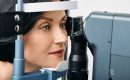
When considering starting to wear prescription glasses, it is important to consult with a qualified medical professional, such as an ophthalmologist or optometrist. These professionals can perform comprehensive eye exams to assess eye health and determine if eye correction is needed. During the visit, several aspects of vision will be assessed, including visual acuity, refraction, and overall ocular health.
What types of eyeglasses to take into consideration?
Once you have determined that you need to wear prescription glasses, there are several options available for optical correction, including:
- Full-frame glasses. These glasses have a full frame that completely surrounds the lenses and offers full optical correction for near and far vision.
- Reading glasses. Primarily used for presbyopia correction, reading glasses are designed to improve near vision and are available in a variety of correction powers.
- Progressive lenses. Progressive lenses offer gradual optical correction for near, intermediate and distance vision, eliminating the need to change glasses for different activities.
- Contact lenses. For those who prefer an alternative solution to glasses, there are also contact lenses for the optical correction of a wide range of vision problems.
Eyeglasses: when do you need to wear them?
Choosing the right time to wear a pair of prescription glasses at home depends on several factors, including the eye test results, individual needs, and personal preferences.
Here are some tips on when it is appropriate to wear prescription glasses:
- After the eye test. The first step to take before buying a pair of prescription glasses is to undergo a comprehensive eye exam conducted by a qualified professional. This examination will determine if you have any visual problems and what kind of correction you need. After receiving the prescription for glasses from your eye care professional, it’s time to choose your frame and lenses. Optometrists can advise on frame selection based on face shape, personal style, and the optical correction needed.
- When you experience visual symptoms. If you experience visual symptoms such as blurred vision, headaches, or eye strain before receiving your prescribed glasses, it is advisable to contact your eye care professional to check on the progress of your glasses order and for any additional steps that can be taken to relieve symptoms temporarily.
- Before activities that require clear vision. If you plan to engage in activities that require clear vision, such as driving, working on a computer, or reading, it is advisable to carry prescription glasses with you to ensure clear and comfortable vision.