

Eyelid edema: symptoms and remedies
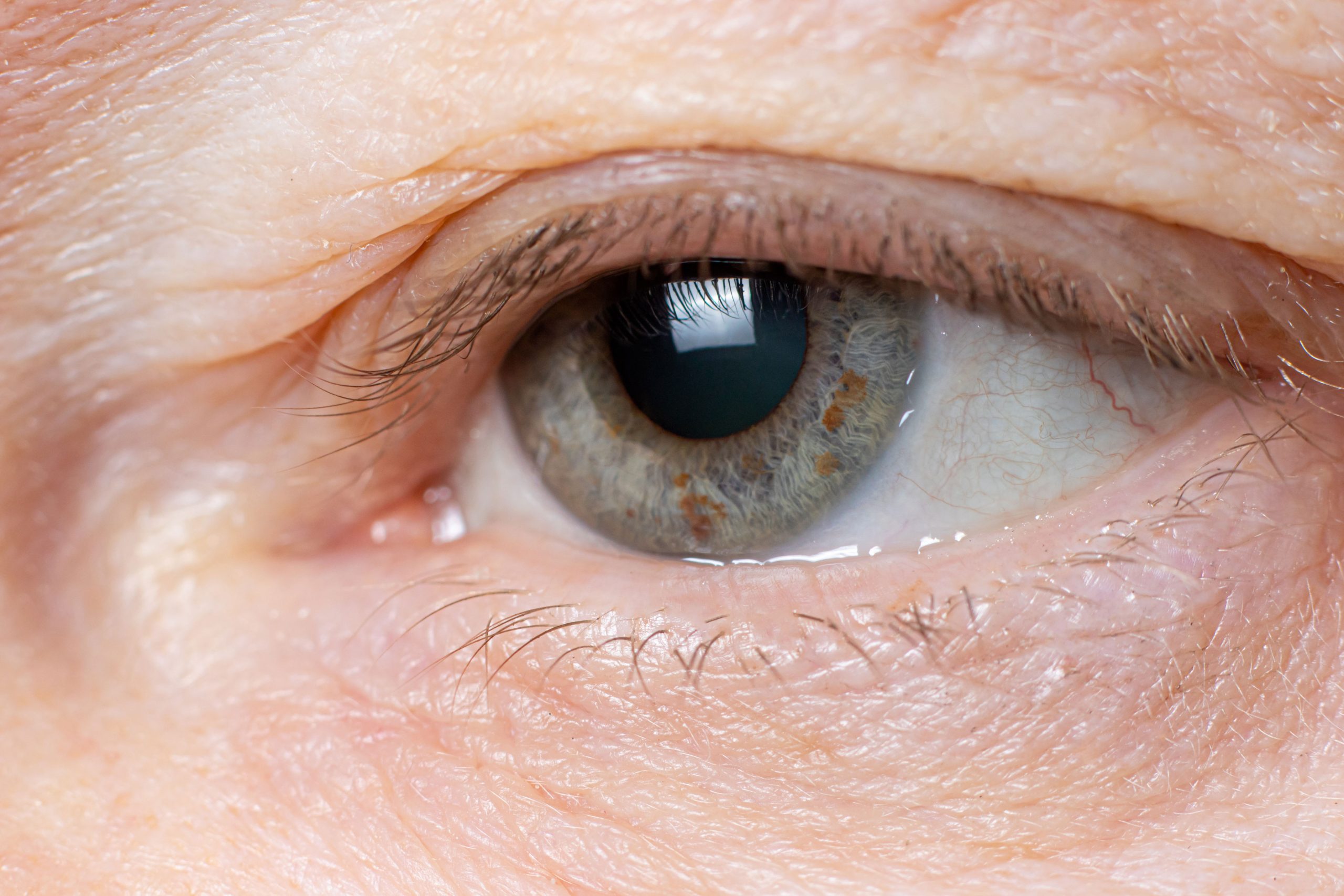
The term “eyelid edema” refers to swelling localized on one or both eyelids, or even on the entire area around the eyes.
Eyelid edema can occur in both one eye and both at the same time. It can be an annoying condition that reduces your ability to perform daily tasks. With time, medical treatment and home care, it is possible to recover completely from this disorder.
Causes and symptoms of eyelid edema
The main cause of eyelid edema is inflammation that causes fluid to accumulate around the eye and sometimes causes a reduction in the opening of the eyelid rim. This condition can occur quickly (acute phase) and last for a prolonged period of time.
The classic symptom that indicates a pathology of the eyelids is precisely swelling , which should never be underestimated because it could be the sign of a serious disease that must be treated immediately to avoid serious consequences on vision.
Most common causes of eyelid edema
Some of the most common causes of eyelid edema are as follows:
- Mononucleosis, a viral disease that can cause peri-orbital edema in the early stages of infection.
- Irregular sleep, because sleeping too little can cause fluid retention.
- High-salt diet. Consuming very salty foods can cause fluid retention.
- High alcohol consumption. Alcohol can cause dehydration, resulting in fluid retention.
- Cigarette smoke, which can cause hormonal imbalances that cause fluid retention.
- Allergic reactions can cause inflammation of the small blood vessels (capillaries) around the eyes.
- Styes, a clogged oil gland.
- Aging. Advancing age causes the body to lose more water throughout the day, and this can cause fluid retention.
- Thyroid disorders. Thyroid problems, such as hypothyroidism and hyperthyroidism, can cause fluid retention in the body, including around the eyes.
- Periorbital cellulitis, a serious skin condition caused by infection and inflammation of the eyelid and skin around the eyes. This condition may require emergency treatment if symptoms last longer than two to three days.
- Nephrotic syndrome, caused by kidney problems.
- Trichinosis, a condition caused by a round worm found in some raw or undercooked pork and can cause inflammation in the eyes.
- Dysfunctional tear glands. Clogged or malfunctioning of the tear glands can cause inflammation around the eyes.
- Obstruction of the superior vena cava, which can cause blood to accumulate in parts of the body above the heart, resulting in eyelid edema.
- Conjunctivitis, a disease of bacterial origin that causes inflammation and redness of the eyes.
- Eye trauma. Any injury near the eye socket can cause inflammation and redness of the orbit, resulting in eyelid edema.
Eyelid edema: remedies and treatments
Treatment for eyelid oedema depends on the cause. It is possible to treat swollen eyelids at home, especially if they are the result of non-infectious causes such as fluid retention or allergies. If these are the possible causes, swelling often occurs in both eyes.
Remedies to adopt at home
The remedies to be adopted at home are the following:
- Use a saline solution to rinse the eyes in case of discharge.
- Apply a cool compress to the eyes. A cold washcloth can be fine.
- Remove contact lenses, if they are worn.
- Apply cooled black tea bags to the eyes. Caffeine helps reduce bloating.
- Elevate your head at night to reduce fluid retention.
- Take antihistamines if you have allergies.
- If swollen eyes are due to allergies, antihistamine eye drops can be used. If you have severe allergic reactions, you may need prescription eye drops. Oral antihistamines may also be helpful.
In general, the following home treatments are recommended for all cases of eyelid edema:
- follow a low-salt diet;
- increase water intake;
- Apply a cold compress to the eyes for a few minutes at a time.
In the case of conjunctivitis, i.e. a bacterial infection that causes inflammation on the surface of the eye, the remedy is to clean the sticky and encrusted eyelids with warm water and cotton.
The eye may improve on its own without drug treatment, although it can take up to 2 to 3 weeks. During this time, avoid touching your eyes and keep your pillowcases clean. It is also advisable to suspend the use of make-up and contact lenses.
In the case of chalazion (stye), which gives rise to a soft bump in the eyelid with localized swelling around the obstructed gland, the remedy is a warm compress to give relief and promote healing. Sometimes your doctor may prescribe eye drops or ointments.
Also in this case it is good to avoid wearing make-up.
What to do in case of serious infections?
In the case of eye infection or particularly acute cases, commonly prescribed treatments include:
- Corticosteroids, applied topically or taken orally, can help reduce inflammation around the eyes.
- Anti-inflammatory drugs, applied topically or taken orally, can reduce inflammation and pain.
- Antihistamines that help block allergic reactions.
- Adrenaline or epinephrine: These are used when life-saving emergency treatment is needed to deal with an anaphylactic reaction.
- They treat infections that can cause eyelid edema.
How is eyelid edema diagnosed?
Your doctor will try to determine the cause of the inflammation by asking questions about your medical history and performing a physical exam. Depending on your symptoms, you may order additional tests, such as:
- blood tests to check for infections and thyroid abnormalities;
- allergy tests;
- skin biopsy;
diagnostic imaging tests , such as CT scans and MRIs.