

How to see with myopia and how to understand changes in vision
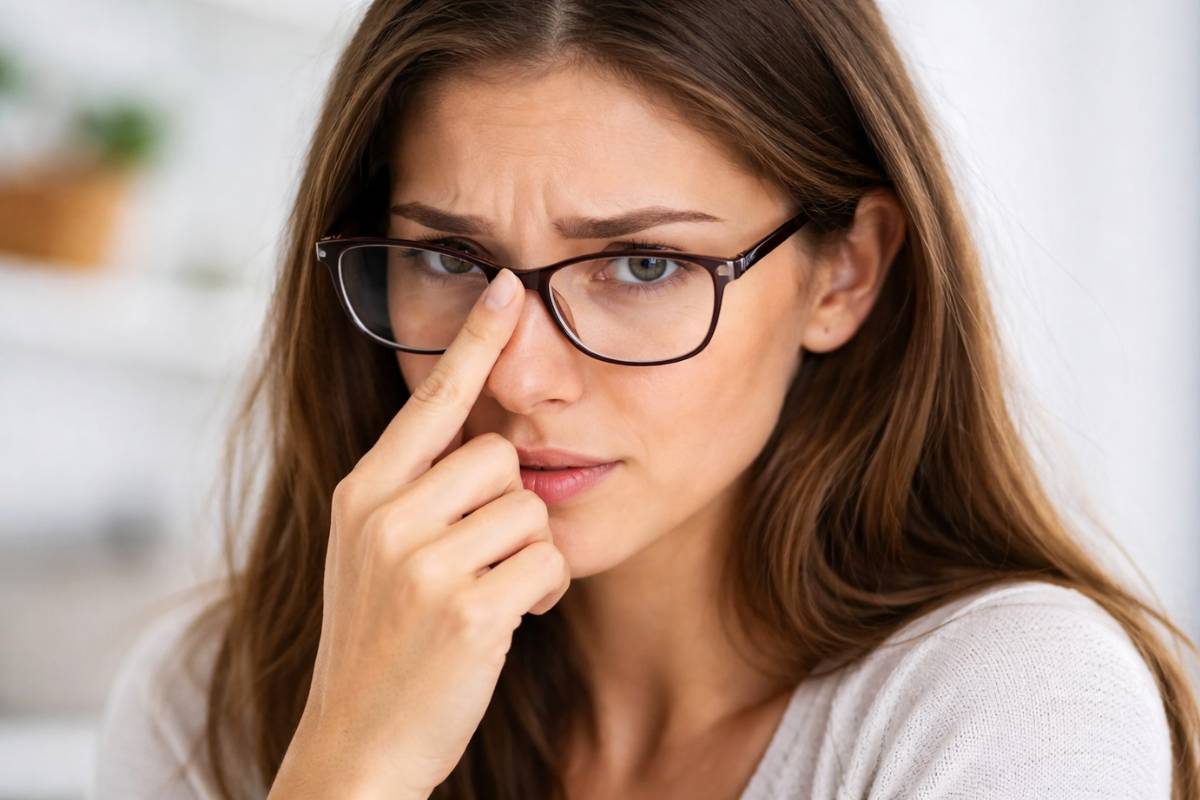
Myopia is a common vision condition that affects millions of people around the world. If you are wondering how to see with myopia, know that this visual defect is characterized by blurry vision from a distance. This disorder can have a significant impact on the quality of life of those affected. For this reason, it is essential to understand how it manifests itself and what the most common symptoms are.
How do you see with myopia?
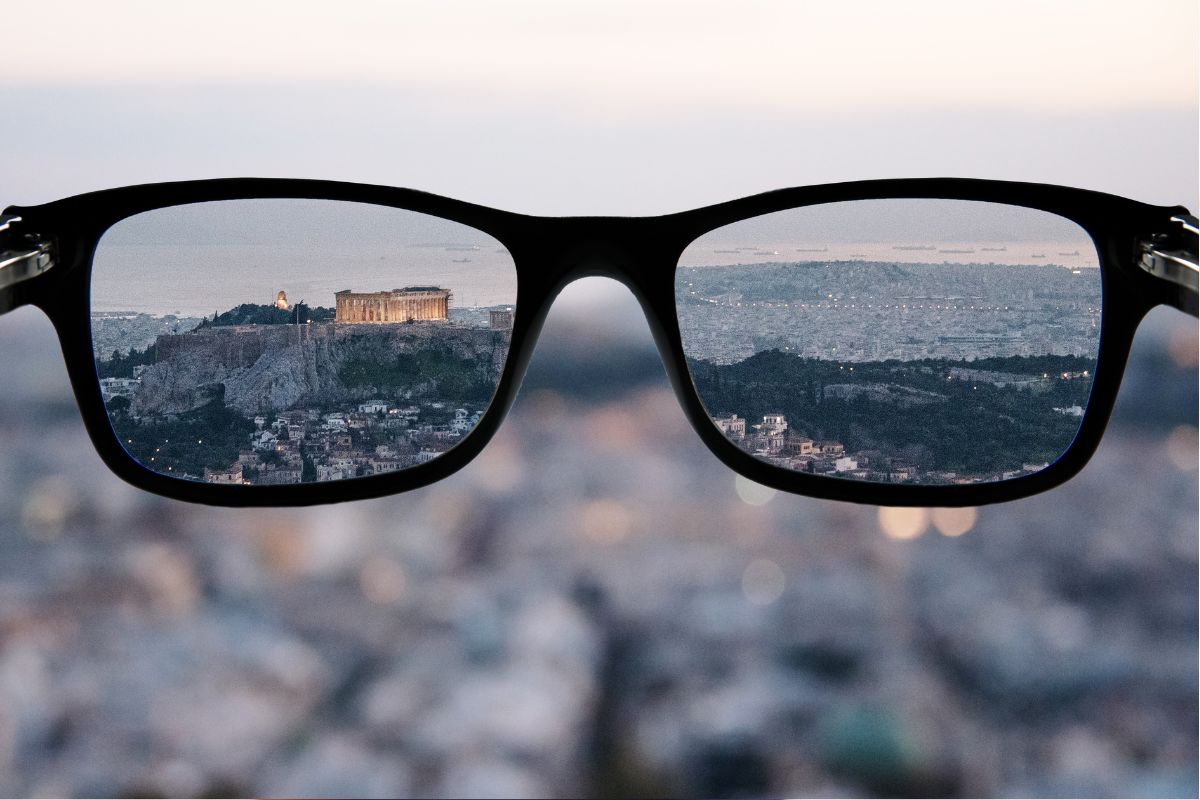
Myopia, commonly known as short vision, is a visual condition in which a person has difficulty seeing distant objects clearly, while being able to see nearby objects clearly. This occurs when the eye is too long compared to the optical power of the cornea and lens or when the curvature of the cornea is excessive. As a result, light focuses in front of the retina instead of directly on it, causing a blurry view of distant objects.
Myopia can manifest itself in various forms and degrees of severity. Some people may be only mildly nearsighted, with blurry vision only at very long distances, while others may be extremely nearsighted and have difficulty seeing even relatively close objects clearly.
Let’s find out together the most common symptoms of myopia.
Blurry vision from a distance
The main difficulty for myopic people is the blurred view of distant objects. This makes it possible to It is difficult to read the blackboard at school, see road signs or recognize people from a distance.
Eye fatigue
Due to the constant strain of the eyes to try to focus on distant objects, nearsighted people may experience eye strain after prolonged periods of reading or working on a computer.
Headache
Eye strain can also lead to headaches, especially if myopia is not corrected with glasses or contact lenses.
Strabismus
In some cases, myopia can cause strabismus, a misalignment of the eyes that can affect depth perception and binocular vision.
How to understand the changes in vision associated with myopia
Myopia can progress over time, particularly during childhood and adolescence, but stabilizes in adult life.
Understanding the changes in vision associated with myopia is important for effectively managing the condition.
Here are some things to consider if you’ve noticed major changes in the way you focus on objects from a distance.
Regular eye exams
Regular eye exams are essential to monitor the progression of myopia and adapt the myopia accordingly. vision correction.
Optometrists and ophthalmologists can assess your vision and prescribe the glasses or contact lenses that best suit your needs.
Lifestyle control
Some studies suggest that lifestyle may influence the progression of myopia, particularly in children. Maintaining a balance between outdoor activities and the use of digital devices can help reduce the risk of developing myopia or slow its progression.
Refractive surgery
For those who want permanent myopia correction, there are advanced treatment options available, such as laser refractive surgery (LASIK, PRK) or intraocular lens implantation.
It is important to discuss the available options with your eye doctor and weigh the potential risks and benefits of each procedure.
Awareness of symptoms
Being aware of the symptoms associated with myopia and monitoring any changes in your vision is essential to intervene promptly and prevent long-term complications.
Myopia and presbyopia: what are the symptoms and differences between the two visual conditions?
Myopia and presbyopia are two different visual conditions that can have a significant impact on a person’s ability to see objects clearly at different distances. Below are the main differences between the two visual conditions.
Myopia: symptoms and characteristics
Myopia, as mentioned above, is a condition in which a person has difficulty seeing distant objects clearly, but can clearly see nearby objects. This occurs when the eye is too long compared to the optical power of the cornea and lens.
Myopia can be corrected with the use of glasses, contact lenses, or corrective surgery such as LASIK or PRK.
The symptoms of myopia are:
- blurry vision from a distance;
- eye strain;
- headaches;
- strabismus in some cases;
- difficulty reading the blackboard at school or seeing road signs.
Presbyopia: symptoms and characteristics
Presbyopia is an age-related condition in which the eye’s ability to focus on objects up close decreases. This occurs due to the loss of flexibility of the lens, which makes it more difficult for the eye to adjust the focus between near and far distances.
Presbyopia usually begins to manifest around the age of 40-50 and worsens over time. It can be corrected with the use of reading glasses, progressive lenses or bifocals. It is not yet certain but in the future presbyopia could be corrected with eye drops.
Some people may also opt for refractive surgery, such as intraocular lens surgery, to correct presbyopia.
The symptoms of presbyopia are:
- difficulty reading text at close range;
- effort to focus on nearby objects;
- the need to move away from reading materials in order to see clearly.
The main differences between the two visual conditions
Myopia and presbyopia have some main differences:
- Focal distance. Myopia concerns distance vision, while presbyopia concerns near vision.
- Age of onset. Myopia can occur at any age, while presbyopia is typically linked to aging and begins to manifest around the age of 40-50.
- Myopia is caused by an abnormality in the shape of the eye, while presbyopia is caused by the loss of flexibility of the lens.
Myopia and presbyopia are both visual conditions that affect a person’s ability to see clearly, manifest themselves in different ways, and require specific correction approaches. Understanding the differences between these two conditions is essential for effective visual health management.