


Relief for Lazy Eye: Treatment Options for Adults
Lazy eye, also known as amblyopia, is a visual condition that affects millions of people around the world. Although this problem is often associated with childhood, it can persist into adulthood, with significant consequences on quality of life and vision.
Let’s find out together the treatments and solutions to manage this particular eye condition.
The various treatment options for lazy eye in adults
Lazy eye in adults can pose a challenge in daily life, but there are various Treatment and relief options available to manage the condition and improve the quality of vision.
The treatment of lazy eye also depends on the age of the patient. This condition often develops in childhood and can persist into adulthood, treatment options may vary.
Let’s take a look at some common approaches to treating lazy eye.
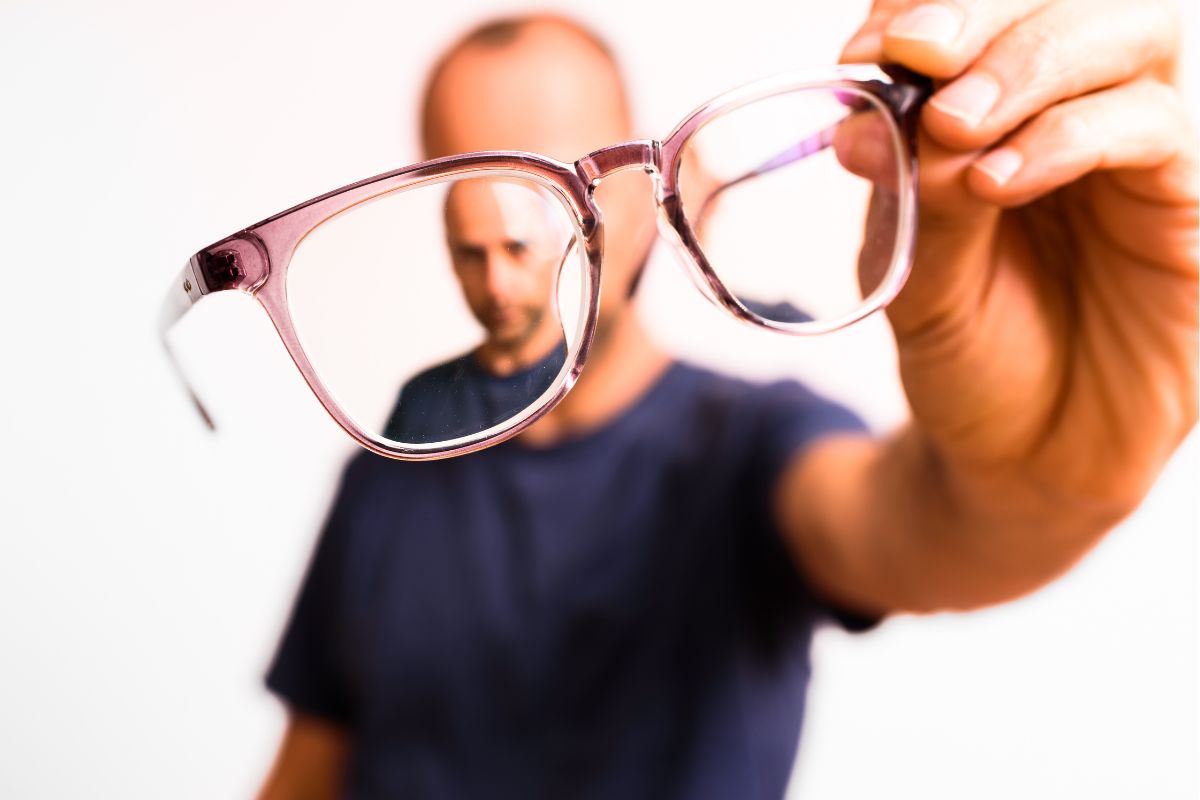
Corrective glasses
Glasses may be prescribed to correct any visual defects in the lazy eye and improve vision.
These optical devices can be especially useful if the cause of lazy eye is related to refractive problems such as nearsightedness, farsightedness, or astigmatism.
Contact lenses
Contact lenses can be an option for correcting lazy eye in adults, offering clear, sharp vision without the clutter of glasses.
Contact lenses may not be suitable for everyone and require proper handling and maintenance.
Visual therapy
Visual therapy, or eye exercises, may be helpful in improving the vision of the lazy eye in adults. These exercises aim to strengthen the eye muscles and improve eye coordination to promote sharper and more balanced vision.
Eye patch
The use of an eye patch on the dominant eye may be prescribed to encourage the use of the lazy eye and promote the development of vision in that eye. This approach can take time and perseverance, but it can lead to significant improvements in vision.
Surgeries
In some cases, surgeries may be considered to correct any underlying visual defects or eye conditions that contribute to lazy eye.
Surgery may involve risks and may not be appropriate for all patients.
Lifestyle Management
Adopting a healthy and active lifestyle can help improve overall eye health and promote optimal vision. This includes eating a balanced diet rich in antioxidants, avoiding smoking, maintaining a healthy body weight, and limiting exposure to digital screens.
Lazy eye in adults: what are the main causes?
Lazy eye is a visual condition in which the eye does not develop normal vision during childhood. This can happen when one of the two eyes does not receive adequate visual stimulation during visual development, causing a deficit in that eye’s vision.
If left untreated in childhood, lazy eye can persist into adulthood and become more difficult to correct.
The causes of lazy eye in adults can vary. Let’s see what the main ones are.
Untreated amblyopia in childhood
If lazy eye was not treated effectively in childhood, the condition may persist into adulthood.
Strabismus
Strabismus, a condition in which the eyes are not aligned correctly, can contribute to the development of lazy eye.
What are the main symptoms of lazy eye in adults?
Adults with lazy eye may experience a range of symptoms that can affect their vision and quality of daily life. It is important to be aware of these symptoms in order to be able to recognize and treat the condition early.
The following are some common symptoms of lazy eye in adults:
- Blurry vision. One of the most obvious symptoms of lazy eye in adults is blurry vision, which can affect one or both eyes. This blur can be more noticeable during activities that require detailed viewing, such as reading or watching television.
- Double vision. Lazy eye can cause misalignment of the eyes, also known as strabismus, which can lead to double vision. This occurs when the eyes do not work together in a coordinated way, creating an overlapping of images and a feeling of double vision.
- Eye strain. Adults with lazy eye may experience more frequent eye strain, especially during prolonged periods of visual activity. This can manifest as a feeling of eye fatigue, headache or burning eyes.
- Reduced night vision. Lazy eye can also affect the ability to adapt to low light, reducing the night vision of affected adults. This can make it more difficult to see clearly in low light conditions or when driving at night.
- Reduced peripheral vision. Lazy eye can also affect peripheral vision in adults, reducing the ability to see objects clearly outside the central field of vision. This can lead to a feeling of visual tunnel and limit awareness of the surrounding environment.
Consulting an ophthalmologist for a comprehensive evaluation and personalized treatment planning is the first step toward relieving symptoms and maintaining optimal vision.