


Vision correction: how to have crisp and clear vision
Sight is one of the most important senses for the human being, considering the fact that it profoundly influences our quality of life and our ability to interact with the world around us. Not everyone enjoys perfect vision. Fortunately, thanks to advances in technology and medicine, there are multiple options for correcting vision defects and achieving crisp and clear vision.
How to correct visual defects?
Vision correction is an ongoing process. A person’s visual needs can change over time, so it’s important to monitor vision regularly and make adjustments to vision correction as needed.
There are several ways to correct visual defects. Let’s find out together.
Eyeglasses
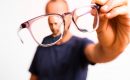
Prescription glasses are the most common solution for correcting visual defects, such as nearsightedness, farsightedness, astigmatism, and presbyopia.
They work by refracting light in such a way as to correct vision defects.
Glasses may be prescribed by an ophthalmologist based on the patient’s vision assessment.
Contact lenses
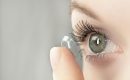
Contact lenses are an alternative to glasses and can be used to correct the same vision defects.
There are different types of contact lenses, including soft lenses and rigid gas permeable lenses.
Contact lenses offer more natural vision than glasses and are particularly suitable for those who play sports or have intense physical activity.
Refractive surgery
Refractive surgery is a permanent option for correcting vision and can be used to treat nearsightedness, farsightedness, and astigmatism.
The most common refractive surgery techniques include LASIK (Laser-Assisted in Situ Keratomileusis) and PRK (Photorefractive Keratectomy).
These procedures use lasers to shape the cornea and correct visual defects.
Cataract surgery
Cataracts are a condition in which The lens of the eye becomes opaque, causing blurred vision.
Cataract surgery involves removing the opaque lens and replacing it with an intraocular implant (IOL). This procedure restores clear vision and can also correct visual defects such as nearsightedness or farsightedness.
Strabismus surgery
Strabismus is a condition in which the eyes are not aligned correctly, causing a double or blurry vision.
Strabismus surgery involves aligning the eyes through the correction of the eye muscles. This procedure can significantly improve vision.
Non-invasive corrective treatments
Some visual defects can be corrected through non-invasive treatments, such as vision therapy. This therapy involves targeted exercises to strengthen the eye muscles and improve eye coordination.
Although it may take longer than other vision correction options, vision therapy can be effective for some patients, especially in cases of eye convergence problems.
Laser vision correction, an advanced option for clear vision
Laser vision correction has become one of the most popular options for those who want to break free from glasses or contact lenses and enjoy clear, crisp vision without dependence on visual aids. This treatment uses advanced technologies to shape the cornea and correct visual defects such as nearsightedness, farsightedness, and astigmatism.
How does laser vision correction work?
Laser refractive surgery is performed using two main procedures: LASIK (Laser-Assisted in Situ Keratomileusis) and PRK (Photorefractive Keratectomy).
Both procedures aim to shape the cornea, the transparent surface of the eye, to correct visual defects.
During the LASIK procedure, a thin layer, called a flap, is created on the surface of the cornea using a microkeratome or femtosecond laser. This flap is lifted to allow access to the inner part of the cornea.
Next, another laser, called an excimer laser, is used to reshape the shape of the cornea to correct the visual defect. The flap is eventually repositioned on the cornea, where it fuses naturally without the need for stitches.
In PRK, the corneal flap is not created. A thin layer of the surface layer of the cornea, called the epithelium, is removed to expose the underlying corneal tissue.
The excimer laser is then used to directly reshape the surface of the cornea. After treatment, the epithelium regenerates naturally over the course of a few days.
Both LASIK and PRK procedures are quick and painless, are performed on an outpatient basis, and generally take little time to recover.
What are the benefits of laser vision correction?
Laser vision correction offers numerous benefits, such as:
- Improved vision. After treatment, most patients experience significant vision correction and clear vision without the need for glasses or contact lenses.
- Quick recovery. Most patients can return to normal daily activities within a few days after the procedure, although post-operative problems may occur that should not be underestimated.
- Long-lasting results. For many patients, laser vision correction provides permanent results, reducing or eliminating reliance on visual aids for many years.
- Greater freedom and convenience. Without the need for glasses or contact lenses, patients can enjoy greater freedom and convenience in their daily activities, such as sports or travel.
Despite the many benefits, it is important to keep in mind that laser vision correction comes with some risks.
Although rare, complications such as dry eyes, sensitivity to light, glare at night, or blurry vision may occur. It is important to discuss these risks with your surgeon before proceeding.
Not all patients are eligible for laser vision correction. The surgeon will carefully assess the patient’s eye health and individual factors to determine suitability for the procedure.
Correcting vision problems with lasers can be expensive and may not be covered by health insurance. It is important to consider the cost of the procedure and discuss payment options with your surgeon.
Considerations before choosing the view correction method
Before choosing a vision correction method, it is important to consult with a qualified eye doctor for a comprehensive vision evaluation.
Your doctor will carefully examine your eye health and determine the best treatment for your individual needs.
During the consultation, your doctor will discuss the risks and benefits of each vision correction option. For example, refractive surgery can carry the risk of complications such as nighttime glare or dry eye, while glasses and contact lenses may require proper maintenance and care.
It’s important to consider the cost and convenience of each option. While glasses can be a cost-effective and easy-to-manage solution, refractive surgery can be expensive and require a recovery period.
It is essential to evaluate these factors together with your doctor to make an informed decision about vision correction.