


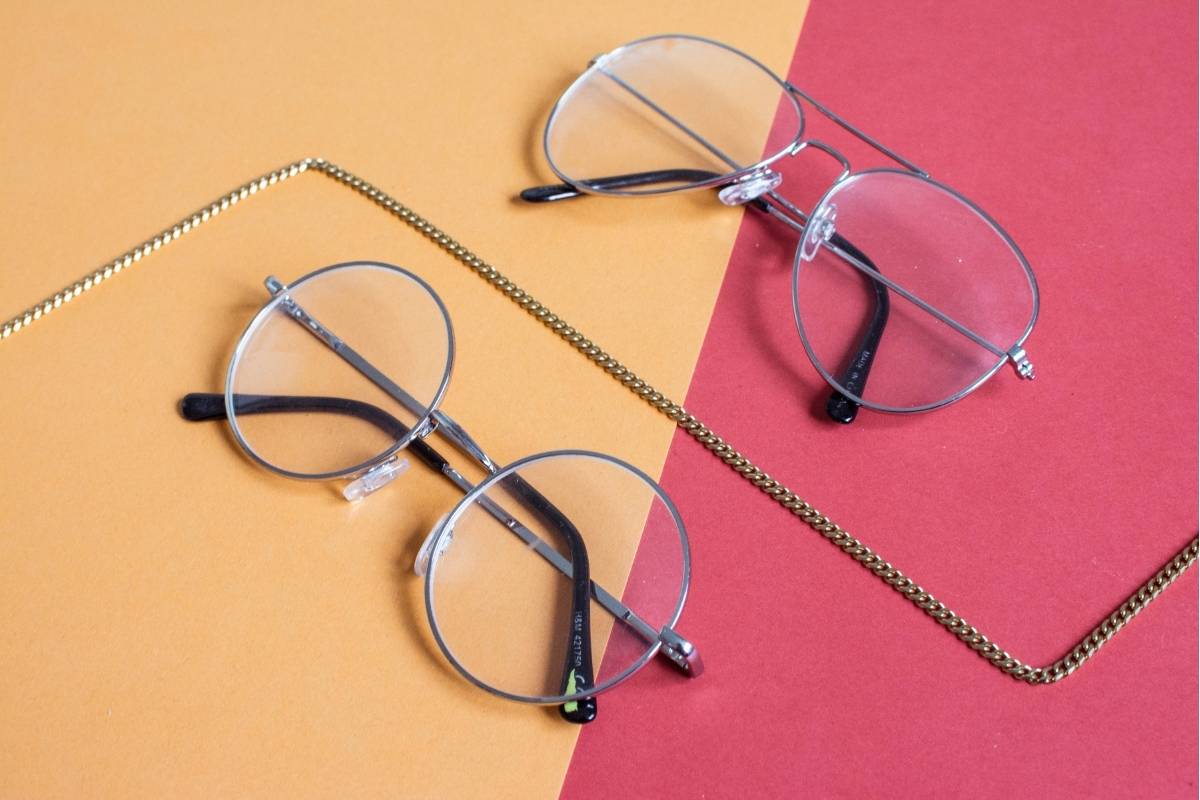
New generation antistatic treatment for ophthalmic lenses
Antistatic treatment is one of the most concrete innovations introduced in recent years in ophthalmic lenses, because it improves the wearing experience in a direct and daily way. It acts on the electrostatic charge that naturally accumulates on the surface, reducing the adhesion of dust, dust and micro-fibers that dirty the lens immediately after cleaning. The difference can be seen in the rhythm of the day: less need to wipe the cloth, fewer repeated micro-halos, greater perceptual stability when entering and leaving rooms with air conditioning or heating. The new generation versions have a higher adhesion to the underlying layers, a more neutral transparency and a better resistance to real use. The result is a lens that is easier to handle, with more consistent visual performance and reduced maintenance. For those who wear glasses for many hours, the benefit becomes evident already in the first few days: the lens remains clean longer, the cleaning effort decreases and vision is more “firm”, without that veil of graininess that often appears in the middle of the morning.
What is antistatic treatment
The antistatic treatment is a surface coating applied to the lens during the final stage of production.
The lenses, being mainly made of organic materials such as CR-39, polycarbonate or Trivex, tend to charge easily during use and cleaning, especially if the air is dry or if the environment is ventilated. This charge attracts light particles suspended in the air that settle on the lens and worsen its perceived transparency, forcing repeated cleaning. The antistatic treatment introduces a preferential charge dissipation path, so the surface “discharges” more quickly and becomes less attractive to dust and fibers. The result is not only a visually cleaner lens, but also a smoother tactile feel when mopping, with less residue and fewer surface marks left by too frequent rubbing.
How antistatic treatment works
The principle is simple: limit the accumulation of charge on the surface. Current technologies use wafer-thin films with conductive or semi-conductive components. These layers do not alter transparency and do not introduce chromatic dominants. The remaining charge disperses quickly and the lens becomes less “magnetised”. After cleaning, the effect is noticeable: less graininess, less halo, more perceived contrast. Transitions between different environments are also more predictable, because the surface remains more “still”.
Integration into the coating system
Anti-static doesn’t live on its own: it integrates into the multi-layer lens package along with hardener, anti-reflective, hydrophobic and oleophobic. Its position is designed to ensure adhesion, stability and full functional compatibility with neighboring layers. This preserves optical transparency and prevents any unwanted changes in appearance, such as coloured halos, tonal changes or increased residual reflection. Proper integration also allows the hydrophobic finish to continue to let water droplets and condensation slide off, while oleophobic limits the adhesion of fingerprints and greasy residue. The package therefore works as a single and coherent system: the lens is cleaned with a few steps, better resists the wear and tear of real life and maintains the same behavior over time, without sudden decay of surface performance.
Features of the new generation of antistatic coatings
Early anti-static solutions have shown the potential of the concept; the current versions reap the benefits and correct its limitations. Today, films are more uniform, mechanically stronger and more stable under intensive use. This means that the yield does not collapse after many cleanings, but remains predictable for months, even on lenses used in difficult environments such as very dry offices, dusty laboratories or outdoor contexts. The collaboration with hydrophobic and oleophobic has been optimized, so the surface slides better under the cloth and retains less residue. Optical neutrality has been refined: materials and processes reduce the likelihood of dominants, preserving a clear and bright image. In summary, the treatment does not add “effects” to the lens, but it takes away variability and simplifies daily management.
Greater stability over time
The practical durability is increased because the adhesion to the underlying layers is stronger and the molecular network is less sensitive to stress from repeated cleaning. The surface retains the same response even after many weeks of heavy use, in the office or outdoors. Performance therefore remains constant between one season and the next, with fewer drops in perceived yield. Corrective interventions and retreatments are reduced, to the benefit of daily visual continuity. For these reasons, the feeling for the wearer is one of quality that does not “fade” after the first few days.
Superior optical transparency
Controlled layers and purer materials avoid micro-interferences that generate halos or chromatic dominants. The image remains clear and neutral, with natural contrast even under LED and neon. In mixed environments, the lens does not introduce spurious colors that tire the eyes. Perceived clarity remains consistent from center to edges, improving reading, PC work, and evening driving. The result is clean, stable and predictable vision in all conditions.
Compatibility with hydrophobic treatments
The modern antistatic works in synergy with hydrophobic and oleophobic, without “suffocating” the effect. Water slides off more quickly and oils adhere less, making maintenance easier. It only takes a few wipes of cloth to obtain a perfectly clean lens: this means less rubbing and less risk of micro-scratches over time. The entire coating package is thus more efficient and durable.
Resistance to climatic variations
Heat, cold, humidity or very dry air do not alter the performance of the treatment. The surface maintains consistent behavior in air-conditioned offices, retail with ventilation and technical laboratories. Outdoors, stability remains high even with wind and rapid temperature changes. No abnormal behavior or electrostatic attraction peaks appear. The answer remains predictable from the beginning to the end of the day.
The advantages of antistatic coating on the lens
The benefits of the new generation antistatic are measured in daily practice rather than in the laboratory. The lens stays clean for longer and requires less work with the cloth, a detail that is appreciated at the end of the day when the discomfort of micro-dirt is significantly reduced. Vision remains more stable during working hours at the PC or in outdoor activities, because the film of dust that quickly forms on untreated lenses appears much less here. The sensation to the touch is smoother: the cloth does not “scratch”, it slides easily and leaves less residue. All this translates into easier management, a more refined appearance and less wear of the coatings over time, since less cleaning equals less unintentional abrasion of the surface.
Practical applications in production and daily use
The antistatic treatment finds a concrete application in different contexts, making it useful both in industrial production and in the final user experience:
- it is ideal for those who wear glasses all day, especially in urban environments where dust and particles are particularly present;
- Those who spend many hours in front of the screen tend to clean their lenses often: with an antistatic treatment, the need decreases significantly;
- the coating helps keep the lens cleaner even in the presence of wind, pollen or fine sand;
- Tinted lenses benefit from anti-static because they reduce dust deposits, making vision and surface aesthetics more uniform.
Why choose a new generation antistatic treatment
Antistatic treatment today represents one of the most intelligent coatings to improve the efficiency and quality of lenses. Its usefulness goes beyond the aesthetic aspect: it offers functional benefits, reduces maintenance and increases visual comfort.
Easier cleaning and less dust attraction result in a lens that maintains its performance consistently, with a more polished and professional appearance. It is an investment that enriches the overall value of the lens and meets the real needs of those who use glasses every day.