


Sunglasses filters: how they work and which ones to choose
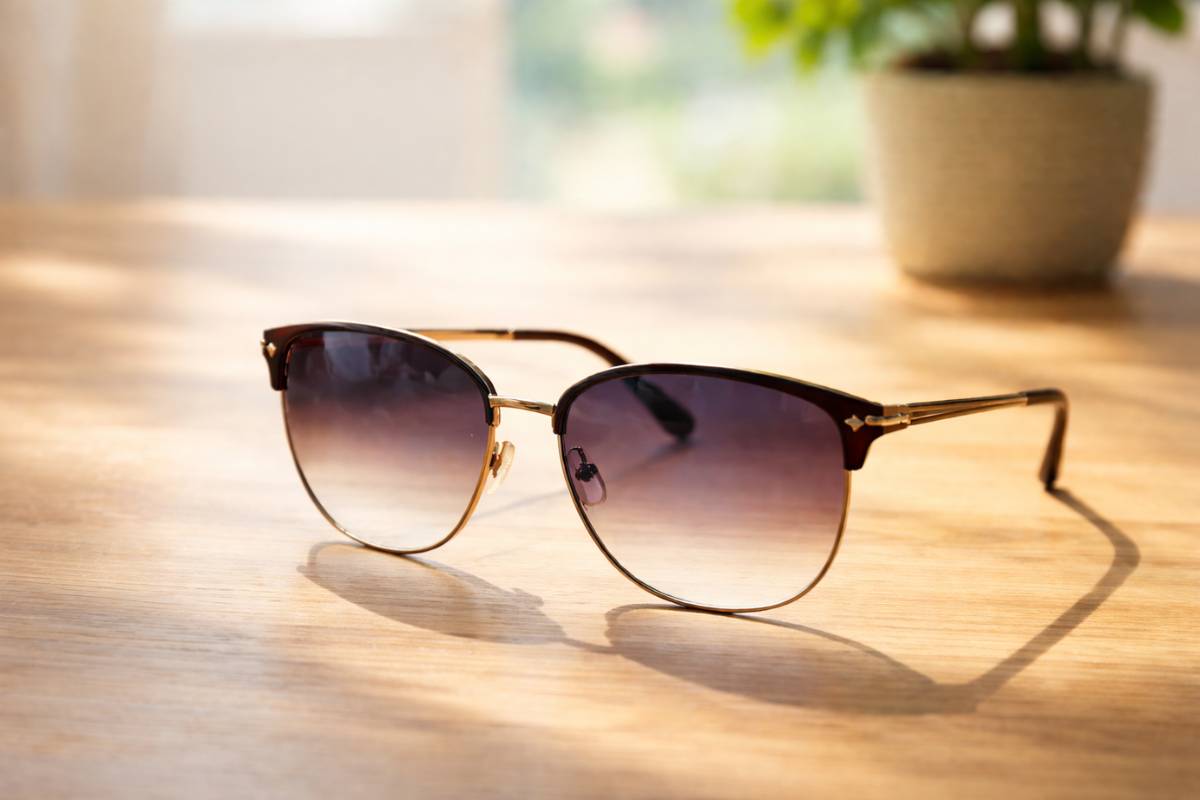
When choosing sunglasses, we often let ourselves be guided by aesthetic taste. However, the real protective function is linked to the quality of the lenses and, in particular, to the presence of the filters. I sunglasses filters they are what guarantee protection, comfort and visual safety. Knowing them is the first step to making an informed choice, especially for those who wear glasses with prescription lenses or have special visual needs.
Why it’s important to protect your eyes from sunlight
Exposure to UV rays without adequate protection can cause serious damage to eyesight. Among the most common are visual fatigue, redness, increased sensitivity to light and, in the long term, risks related to pathologies such as cataracts or macular degeneration.
Sunglass filters do not just darken vision, but also act selectively on light, shielding harmful rays and allowing a more comfortable and clear vision even in bright conditions.
Filter categories: what they mean
Sunscreens are classified into five categories numbered from 0 to 4, depending on the amount of visible light they can absorb.
Category 0: Almost total transparency
Indicates very clear lenses, suitable only for low light situations, such as indoor environments or cloudy days. They offer little protection against direct sunlight.
Category 1 and 2: Urban use
The lenses in these categories are darker and ideal for everyday use in the city or in moderate light. They reduce glare and are suitable for those who often travel on foot or by bicycle.
Category 3: High protection
It is the most popular category for sunglasses, suitable for very sunny days and for outdoor activities such as driving, walking, holidays at the beach or in the mountains.
Category 4: Extreme light
Reserved for exceptional light conditions, such as on high-altitude snow or on a boat, it is not suitable for driving and should only be used in specific contexts.
Lens color: aesthetics and functionality
The color of the lenses is not only an aesthetic quirk, but responds to precise optical functions. For example, Gray lenses reduce the intensity of light without altering color perception, while brown lenses increase contrast, making vision sharper in very bright environments.
Green lenses, on the other hand, reduce glare and offer good visual performance in almost any situation. The choice depends on your lifestyle, sensitivity to light and daily activities.
Special treatments: an added value
Some sunglass filters include specific treatments to further enhance the viewing experience. The most popular are:
- Polarized filters, which eliminate horizontal reflections (e.g. on water or asphalt), ideal for those who drive or practice outdoor sports.
- Photochromic filters, which automatically darken in the presence of bright light, adapting to the environmental conditions.
- Anti-glare or mirrored treatments, which improve sharpness and reduce visual discomfort in very bright environments.
Prescription sun lenses: customise protection
Those who need vision correction can opt for prescription sun lenses, with the filters that best suit their lifestyle. You can combine Corrective needs with sun protection, creating a customized lens that combines aesthetics, function and safety.
Today, even ophthalmic sun lenses can include advanced treatments that meet the needs of those who work outdoors, drive often or have eyes that are particularly sensitive to light.
How to choose the right filters for your sunglasses
Rely on a specialized optician It is the ideal solution to identify the perfect combination of filter, color and treatments. A professional will be able to suggest the most suitable type of lens based on the intended use: sea, mountain, city, sport or simple walk.
In addition, it will be able to guarantee that the lenses are certified for 100% UV protection, a fundamental parameter for eye health.