


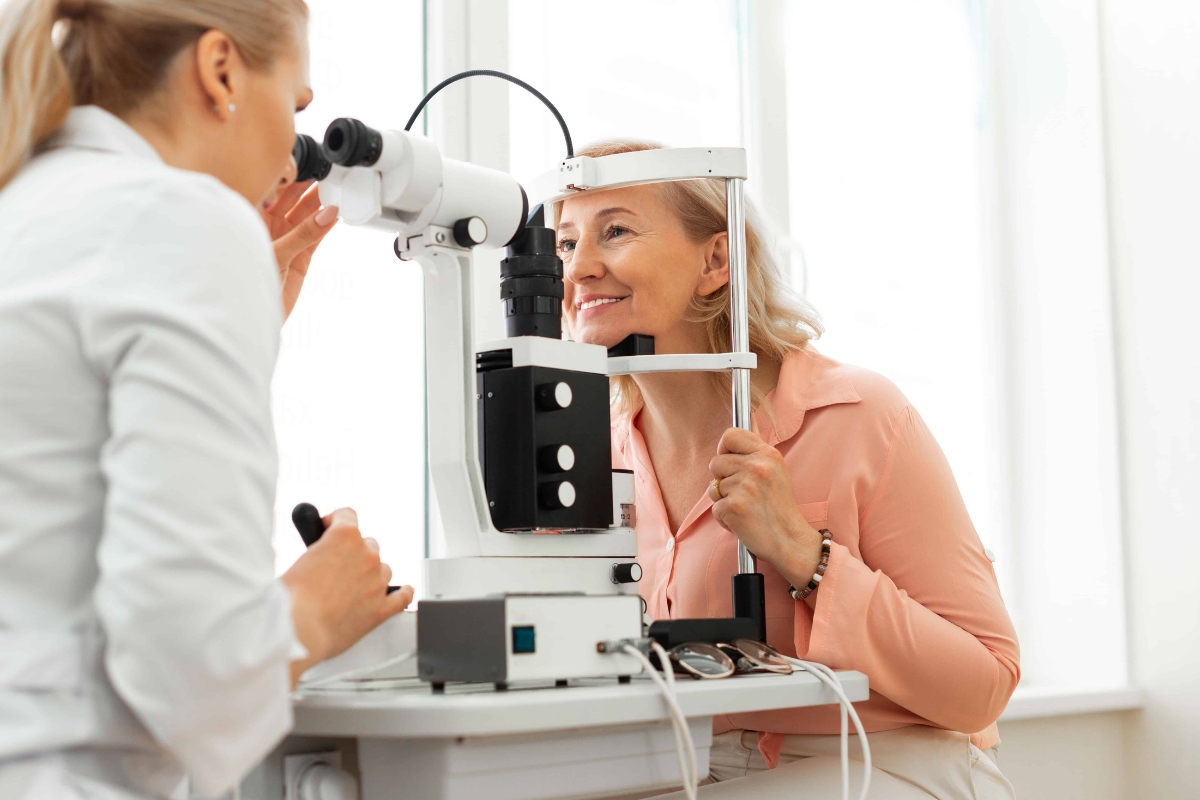
The importance of regular eye examinations
Regular eye examinations are extremely important, but why undergo an eye examination? To monitor the health of your eyes and to maintain good vision overall, but not only. In general, it is advisable to have an eye examination at least once a year, even if you do not have obvious vision problems.
In the event that you experience a sudden change in vision or experience abnormal eye symptoms, it is important to schedule a visit as soon as possible.
Additionally, preventative eye care through regular eye exams can help you maintain optimal vision and prevent serious complications.
Why are regular eye examinations important?
If you don’t go to the eye doctor regularly, you risk going blind: this is a real possibility if you don’t check your eyes periodically. In many cases, the symptoms of eye disease only appear when the disease is more advanced.
With regular eye checks, the eye doctor can identify macular degeneration before it becomes an irreversible problem. Your eye doctor will also perform a series of tests to look for other potential eye problems.
You can get tested for glaucoma, cataracts, or any other specific ailment.
Testing and identification of these eye diseases allow for early diagnosis and treatment, which is why they are essential.
Your eye doctor can detect abnormalities that indicate other underlying health problems. Once you have identified these problems, you can take action promptly and contact your general practitioner for further tests.
6 reasons why you should have a regular eye exam
The reasons why it is good to have a regular eye examination are the following:
- Prevention and early detection of eye problems. Many eye diseases, such as glaucoma, diabetic retinopathy, and cataracts, can develop quietly and without noticeable symptoms in the early stages.
Through regular eye examinations, optometrists and ophthalmologists can identify these problems early and initiate appropriate treatment to prevent them from getting worse.
- Monitoring your vision. Eye exams allow specialists to assess your vision and make any necessary corrections, such as updating your eyeglass or contact lens prescriptions. Maintaining a clear vision is essential for everyday tasks such as driving, reading, and working on a computer.
- Prevention of diabetes complications. People with diabetes are at risk of developing eye problems such as diabetic retinopathy, which can lead to vision loss. Regular eye examinations allow these conditions to be detected early and managed appropriately to avoid serious complications.
- Identification of systemic diseases. In some cases, signs of systemic diseases, such as high blood pressure and diabetes, can be detected through eye examinations. The blood vessels in the eye can provide clues to overall health and help in the early detection of these conditions.
- Prevention of age-related visual impairment. As we age, it is common to experience changes in vision. Regular eye examinations allow you to monitor these changes and take preventive measures to preserve your vision in the long term.
- Advice on eye health and healthy habits. Specialists can provide valuable advice on how to take care of your eyes, including tips on healthy lifestyles, eye hygiene and UV protection.
Who should have regular eye examinations?
The answer is simple: everyone, even those with perfect eyesight. Some people think that you should go to the ophthalmologist when you realize that you need corrective lenses, but that’s not true.
Even people with perfect vision can suffer from diabetes or glaucoma. A regular visit to the eye doctor is to ensure the health of your eyes, as well as to notice any unusual changes in vision that may occur over time.
The importance of vision prevention
Prevention is crucial for vision because many eye diseases can develop silently and without noticeable symptoms in the early stages. When these conditions are detected early, you can intervene more effectively to prevent them from worsening and preserve your long-term vision.
Here are some reasons why prevention is essential for eye health:
- Prevention of vision loss. Blindness and vision loss can be devastating consequences of some untreated eye diseases. Targeted prevention through regular examinations can help to avoid these drastic situations and maintain a good quality of life.
- Improved treatment efficacy. Many of the eye disorders can be treated more effectively when they are detected early. Prompt treatment can slow or stop the progression of the disease, thus improving the prospects of maintaining vision.
- Long-term cost reduction. Prevention is often less expensive than the advanced treatments needed to address serious eye problems. Investing in prevention through regular eye examinations certainly helps you save on medical costs and improve your overall quality of life.
- Awareness promotion. Through regular eye exams, you can gain greater awareness of the health of your eyes and the steps you can take to keep them in good shape. This includes adopting healthy lifestyle habits and protecting yourself from environmental factors that can damage your vision.