

Visual alert: red eyes and their connection with high blood pressure
Red eyes are a common problem that can be caused by multiple factors, including allergies, infections and eye fatigue. When red eyes are accompanied by other symptoms, it could be a sign of something more serious, such as high blood pressure.
The connection between red eyes and high blood pressure is a topic of great importance to ocular and general health.
Red eyes: what are the triggers related to high blood pressure?
Red eyes, also known as conjunctival hyperemia, are characterized by. A reddened appearance of the white part of the eye (sclera). This condition can be caused by various factors, including:
- Allergies: pollen, dust, animal hair and other allergens can cause irritation and redness of the eyes.
- Infections: conjunctivitis (pink eye), keratitis and uveitis are the most common infections that can cause red eyes.
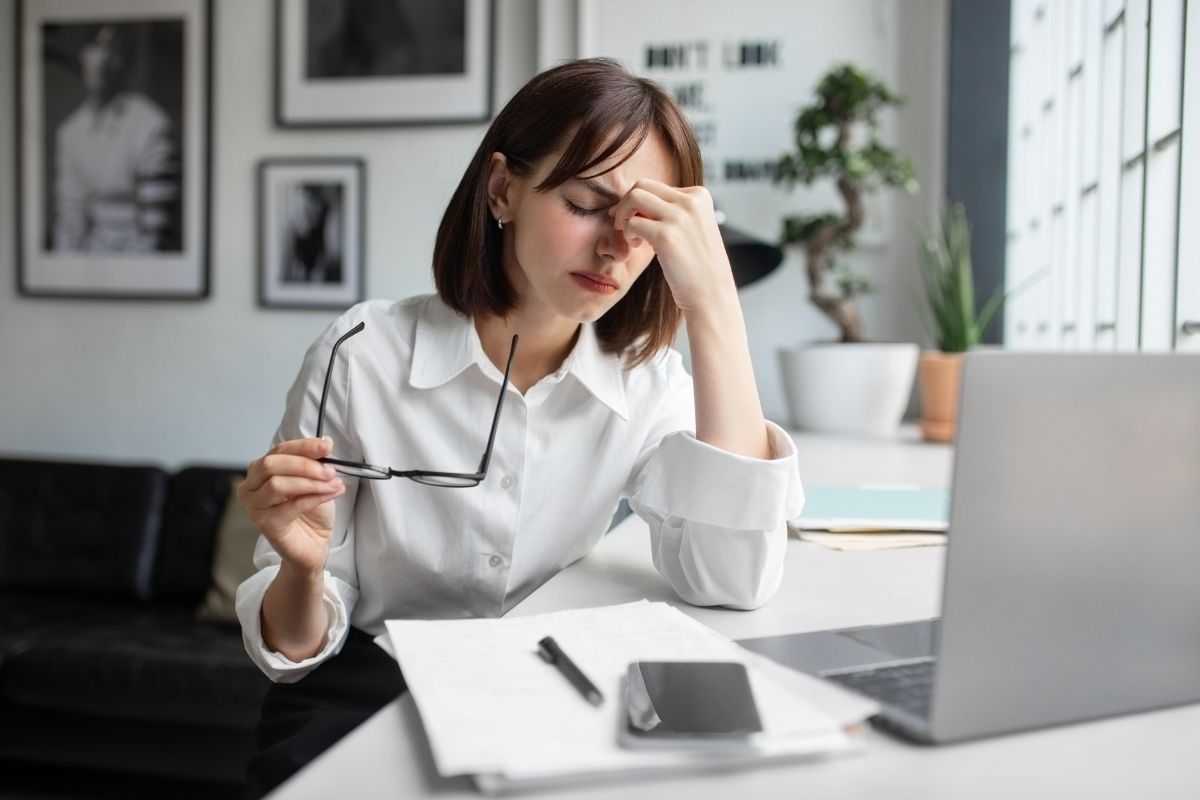
- Eye fatigue: prolonged use of computers, intensive reading or lack of sleep can cause eye redness.
- Foreign bodies: dust, sand or other small objects can irritate the eye and cause redness.
- Eye injury: any trauma to the eye can cause redness and inflammation.
Red eyes can be a sign of many conditions, but when they are associated with high blood pressure, it is important to pay attention and act promptly.
Taking care of your overall health and keeping your blood pressure under control are key steps to protect your vision and prevent permanent eye damage.
Through regular checkups, a healthy lifestyle and active management of blood pressure, good ocular health can be maintained.
High blood pressure and eye health
La high blood pressure or hypertension, is a common medical condition that can have serious health consequences if left unchecked. It can damage blood vessels throughout the body, including those in the eyes.
Ocular hypertension is of particular concern because it can lead to a number of eye problems, including:
- Hypertensive retinopathy. This is a condition in which blood vessels in the retina become damaged due to high blood pressure. This can cause blood vessels to rupture, bleeding, and, in severe cases, loss of vision.
- Optic papilla edema. Increased intracranial pressure can cause swelling of the optic nerve , a condition called papilledema, which can be associated with red eyes and blurred vision.
- Retinal venous obstruction. Hypertension can cause blockage of retinal veins, leading to suddenly blurred vision or loss of vision.
- Glaucoma. Hypertension can be a risk factor for developing glaucoma, a condition in which increased intraocular pressure damages the optic nerve.
Warning signs and symptoms associated with high blood pressure
If you have red eyes and suspect that there may be a connection to high blood pressure, it is important to pay attention to other symptoms that could indicate a more serious problem. These are:
- Frequent and severe headaches: may be a symptom of high blood pressure.
- Blurred vision: changes in vision, such as blurred vision or blind spots, may be signs of ocular blood vessel damage.
- Eye pain: pain around or behind the eye may indicate pressure problems.
- Nausea: Nausea and vomiting may be associated with increased intracranial pressure.
- Ocular hemorrhages: ruptured blood vessels in the eye can cause visible hemorrhages, which manifest as red spots on the sclera
Preventive measures and treatment of red eyes from high blood pressure
To prevent eye damage caused by high blood pressure, it is critical to properly manage blood pressure through a combination of lifestyle changes and, if necessary, medication.
Some useful suggestions follow:
- Monitor blood pressure. Checking blood pressure regularly can help detect and treat hypertension early.
- Balanced diet. Follow a diet rich in fruits, vegetables, whole grains and reduced in sodium can help keep blood pressure under control.
- Physical activity. Regular exercise helps keep the heart and blood vessels healthy.
- Limit alcohol and smoking. Avoiding smoking and limiting alcohol consumption can reduce the risk of hypertension.
- Stress management. Relaxation techniques such as yoga, meditation and deep breathing can help reduce stress and blood pressure.
- Consult a professional. If you suspect that your red eyes are related by a high blood pressure problem, it is essential to consult a doctor or ophthalmologist. A comprehensive examination can determine the cause of the redness and assess the state of your ocular health. Early treatment is essential to prevent more serious complications.
Red eyes: diagnosis and treatment of conjunctival hyperemia
Diagnosis of conjunctival hyperemia is usually made through a comprehensive eye examination.
The eye doctor examines the eyes using various diagnostic tools, such as a slit lamp, to evaluate the conjunctiva and other ocular structures.
In some cases, additional tests may be needed to determine the cause of hyperemia, such as blood tests or conjunctival swabs to identify bacterial or viral infections.
Treatment of conjunctival hyperemia
Treatment of conjunctival hyperemia depends on the underlying cause. Below are some of the main treatments:
- For bacterial infections, the doctor may prescribe antibiotic eye drops or ointments . For viral infections, antiviral drugs may be prescribed.
- Antihistamine eye drops can relieve the symptoms of ocular allergies. Reducing exposure to known allergens can prevent the onset of symptoms.
- Lubricating eye drops can help wash away irritants and relieve discomfort. Protect eyes from smoke, dust and chemical irritants.
- Eye fatigue. Taking regular breaks while using digital devices and reading can reduce eye fatigue. Using the 20-20-20 rule (looking at something 20 feet away for 20 seconds every 20 minutes) can help prevent fatigue.
Useful tips to prevent conjunctival hyperemia
To prevent conjunctival hyperemia, it is important to adopt healthy eye care habits and reduce exposure to potential irritants.
Some useful suggestions follow:
- Eye hygiene. Washing hands regularly and avoiding touching eyes can prevent infection.
- Eye protection. Use protective eyewear in dusty environments or when handling chemicals.
- Reducing eye stress. Follow the 20-20-20 rule and take regular breaks during activities that require prolonged eye strain.
- Reducing exposure to allergens and using air filters in the home can help prevent allergic reactions.