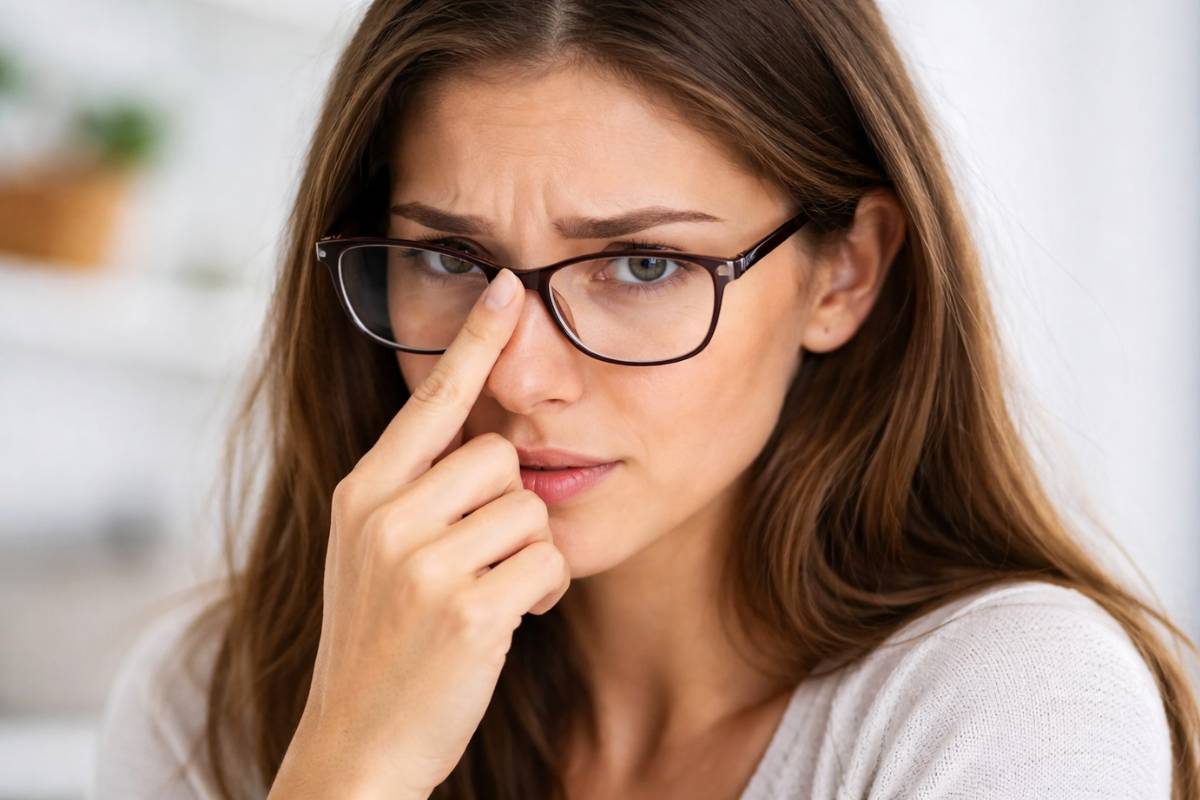



How to take care of your eyes in winter
With the arrival of the winter season, people rush to retrieve scarves from the closet to keep their necks warm, a nice woolen hat to protect their heads and ears, gloves to prevent their hands from being red and cracked by the cold. However, not everyone remembers to take the same precautions to protect their eyes from the cold.
Useful tips for taking care of your eyes in winter
Winter is a great enemy of our eyes which tend to water, redden and itch.
During the winter season, we must not only protect ourselves from the cold and temperature changes to which our eyes are subjected. The propagation of fine dust, which is more common in winter, debris carried by the wind and sleet also cause annoying eye problems, from which it is essential to protect oneself.
Below are useful tips to protect your eyes.
Do not rub your eyes
In winter, the air tends to be dirtier. You know that mist that forms, especially in the regions of northern Italy, when it’s cold? It’s not just about water. Inside there are microscopic powders that are bad for the eyes.
Rubbing your eyes when you feel slight discomfort is not the ideal solution, as you risk hurting yourself by damaging parts of the eye. To protect your eyes, it is best to wait until you get home and wash the area with warm water.
Healthy eating and plenty of water
Nutrition in winter is not to be controlled only to stay fit and strengthen the immune system. This last aspect is also important to protect the eyes from external agents. However, eating well and hydrating yourself as best as possible is necessary to promote watery eyes.
The presence of tears in the eyes is essential to combat temperature changes from closed to cold places.
With suboptimal tearing, you may suffer from burning or dryness. The ideal solution is to consume plenty of fruit and vegetables, rich in mineral salts and drink at least two liters of water a day. A healthy and balanced diet is crucial for eye health.
Wear sunglasses even in winter
Many people think that in the cold season, the sun does not have the same effects on the body as it does in summer. Nothing could be more wrong.
While dermatologists recommend wearing sunscreen when you leave the house, opticians urge you to protect your eyes even in winter with sunglasses. Clouds, in fact, do not filter sunlight completely. Even on the grayest days, 90% of the radiation hits the earth and therefore also our eyes. Sunglasses are not only useful for protecting your eyes from UV rays, but also from gusts of wind and dust. So, never forget them when you leave the house in winter.
Don’t stress your eyes
Winter is a season in which the eyes are subjected to considerable tests, such as cold, temperature changes, excessive humidity and fine dust. It is good to avoid worsening the situation with misconduct. For example, avoid looking closely at your device screens for too long. Remember to use special display glasses and adjust the brightness to minimize stress. This way, you will perceive your eyes more rested and ready to return to work. You will also suffer less from fatigue and feel more operational.
Have an eye examination often
Prevention is the first way to save time, money and pain. Visit the ophthalmologist often according to your needs and let me recommend the best treatments to cure your ailments. Often the solution is simple, immediate and painless and helps you not to worsen existing problems.
How can you tell if your eyes are suffering from the cold?
The eyes can react to the cold in different ways. For this reason, there are several conditions to pay attention to during the winter:
- low temperatures and cold winds, as well as heating of indoor environments, can remove moisture from the air and, consequently, cause dehydration and dry eyes;
- Spending a lot of time outdoors in cold temperatures can cause the blood vessels in the eye to narrow, affecting the ability to see normally. Double or blurred vision means it’s time to get back into the warmth;
- in some people, the cold can not only dry out the eyes, but also produce an opposite reaction, i.e. excessive tearing, so much so that it blurs vision;
- Redness and inflammation are another symptom of exposure to very low temperatures. In extreme cold conditions, the cornea may even freeze;
- The sun can pose a threat to the eyes not only in summer, but also in winter. The reflection of UV rays on snow and ice can contribute to the formation of cataracts and inflame the cornea, making the eyes irritated and sensitive to light.