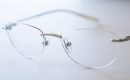



Office lenses: which glasses to choose if you work long hours at the PC
Those who spend many hours in the office, in front of a screen or engaged in activities up close, may experience symptoms of visual fatigue and decreased performance. In these cases, choosing the right office lenses can make a big difference in terms of visual well-being and quality of work.
Why desk work puts strain on the eyes
Working indoors, often with artificial lighting and digital screens, means forcing your eyes to a continuous effort to focus and adapt.
Digital fatigue and other symptoms
Tired eyes, blurred vision, headaches, dry eyes: these are the most frequent disorders related to prolonged use of the computer. The problem is accentuated if you do not wear the correct lenses or if you use generic glasses.
Comfortable viewing for any distance
Office tasks require clear vision not only up close (such as reading), but also at intermediate distances (monitors, colleagues, presentations). The eye must continually adapt, and without proper support this can generate visual stress.
Which lenses are recommended for office work
There is not just one category of office lenses, but several types that meet specific needs. The choice depends on your viewing habits, age and the type of activity you do.
Anti-fatigue lenses
Anti-fatigue lenses are ideal for those under 45 who work extensively on computers or reading materials. They offer mild accommodative support at the bottom of the lens, helping to relax the eye during prolonged close activities. They help prevent eye strain without compromising distance vision.
Occupational lenses
Designed for those who already have early or advanced presbyopia, occupational lenses are designed to provide clear near and mid-range vision. They are perfect for work environments where it is important to read documents, look at the screen and interact with colleagues just a few feet away.
Blue light filter lenses
Although not a corrective optical solution in themselves, blue-light-filtering lenses can reduce exposure to the light component emitted by digital screens. This filter can help improve visual comfort and decrease eye fatigue in digital environments.
How to choose the right office lenses
The choice depends on several factors: age, type of visual defect (ametropia), amount of time spent at the PC and type of tasks performed. It is important to rely on an optician for a personalized evaluation and to identify the most suitable lens, also based on posture and working distance.